Myrtaceae
Tea Tree
Melaleuca alternifolia
⚠ Use with Caution
Caution in Pregnancy
Native to: Queensland and New South Wales, Australia
Also known as: Australian Tea Tree, Narrow-leaved Paperbark, Narrow-leaved Tea Tree
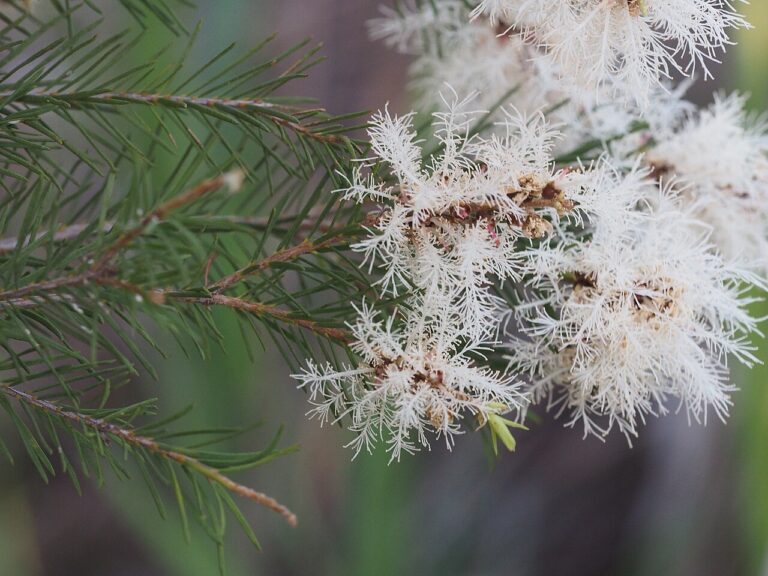
Wikimedia Commons / CC BY-SA
Parts Used
Leaf
Therapeutic Uses
Skin and fungal infections (athlete's foot, nail fungus, Candida — topical, multiple RCTs), acne, MRSA (topical), wound care, oral hygiene (gum disease, thrush), lice, scabies. TOPICAL USE ONLY.
Herbal Actions
Antimicrobial (broad-spectrum), antifungal, antiviral, anti-inflammatory, wound healer, immunostimulant
Active Constituents
Volatile oil (terpinen-4-ol — primary active 30–48%, γ-terpinene, α-terpinene, 1,8-cineole, α-terpineol)
Preparation Methods
⚗️ Essential Oil🧴 Salve/Balm
Traditional Preparation Notes
| Herbal Tea | NEVER INTERNAL — toxic |
| Tincture | Topical only: 5–25% in carrier oil or cream, apply 2x daily |
| Notes | TOPICAL ONLY — internal use toxic (terpenes cause CNS toxicity, ataxia). Dilute to 5% for face, 10–25% for body and feet. For nail fungus: undiluted oil on nail 2x daily (nail tolerates higher concentration). |
Safety Information
Safety Rating
⚠ Use with Caution
Pregnancy
Caution in Pregnancy
Drug Interactions
None known
Contraindications: NEVER take internally. Dilute before topical use on sensitive skin. Avoid near eyes. Toxic to pets (cats especially). Estrogenic effects — caution in boys.
Side Effects: Contact dermatitis (sensitization with prolonged use). Internal use: CNS toxicity, coma. Oxidized oil more allergenic — use fresh.