
Asteraceae
Tarragon
Artemisia dracunculus
⚠ Use with Caution
Caution in Pregnancy
Native to: Central Asia, Siberia
Also known as: French Tarragon, Dragon Herb, Estragon, Little Dragon
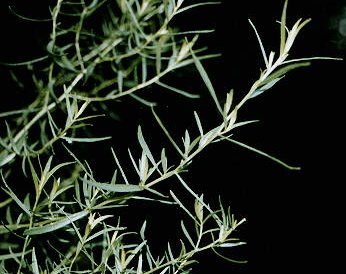
Wikimedia Commons / CC BY-SA
Parts Used
Leaf
Therapeutic Uses
Digestive complaints (flatulence, dyspepsia), insomnia (mild sedative effect), blood sugar modulation, toothache (topical anesthetic), antimicrobial culinary herb.
Herbal Actions
Carminative, antispasmodic, digestive stimulant, mild hypnotic, antidiabetic (modest), mild analgesic
Active Constituents
Volatile oil (estragole — up to 70%, methyl chavicol, ocimene), coumarins, flavonoids (quercetin, luteolin), phenolic acids, polyacetylenes
Preparation Methods
☕ Herbal Tea🏺 Tincture
Traditional Preparation Notes
| Herbal Tea | 1 tsp fresh or dried per 250ml, steep 5 min, 2–3x daily |
| Tincture | 1–3 ml (1:5, 45% ethanol), 3x daily |
| Notes | French tarragon (sterile hybrid) preferred for culinary and medicinal use. Russian tarragon (fertile) less aromatic. Estragole content — limit long-term therapeutic use. Culinary use safe indefinitely. |
Safety Information
Safety Rating
⚠ Use with Caution
Pregnancy
Caution in Pregnancy
Drug Interactions
None known
Contraindications: High estragole content — potential carcinogen with very heavy chronic use. Avoid high medicinal doses in pregnancy. Culinary use safe. Avoid with Asteraceae allergy.
Side Effects: Estragole: potential genotoxic at high chronic doses. Generally safe at culinary and short-term medicinal use. Allergic reactions.