Ulmaceae
Slippery Elm
Ulmus rubra
✓ Generally Safe
Caution in Pregnancy
Native to: Eastern North America
Also known as: Red Elm, Moose Elm, Indian Elm, Sweet Elm
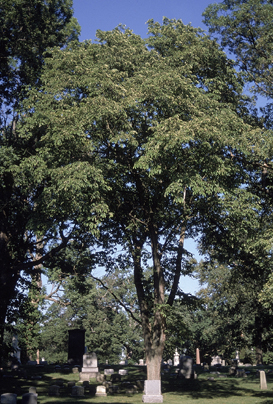
Wikimedia Commons / CC BY-SA
Parts Used
Bark
Therapeutic Uses
Gastritis, peptic ulcer, IBS, IBD (Crohn's, colitis), GERD, sore throat, dry cough, diarrhea, wound healing, nutritive support during illness. One of the premier gut healing herbs.
Herbal Actions
Demulcent, emollient, nutritive, anti-inflammatory, vulnerary, laxative (mild)
Active Constituents
Mucilage (48–53% — glucosamine, galactose, 3-methyl galactose), tannins, phytosterols, flavonoids, vitamin C, calcium, magnesium
Preparation Methods
💊 Capsule☕ Herbal Tea🌿 Poultice
Traditional Preparation Notes
| Herbal Tea | 1 tsp powder stirred into 250ml warm water (not boiling), drink 3x daily between meals |
| Tincture | Not applicable — mucilage best as powder or cold preparation |
| Notes | Powder in warm water forms thick gel — coats and soothes gut lining. Excellent for ulcerative colitis: 10g powder in water 3x daily. Nutritive during illness — can be mixed with banana and honey. Endangered — use cultivated sources. |
Safety Information
Safety Rating
✓ Generally Safe
Pregnancy
Caution in Pregnancy
Drug Interactions
Possible — consult doctor
Contraindications: May delay drug absorption (mucilage) — take 2 hours apart from medications. Mild laxative — avoid in obstruction. Ethical sourcing (bark harvesting kills trees — use cultivated or alternative).
Side Effects: Drug absorption delay. Mild laxative. Allergic reactions (rare). Otherwise extremely safe — suitable for infants.