Fabaceae
Red Clover
Trifolium pratense
✓ Generally Safe
Caution in Pregnancy
Native to: Europe, Western Asia, Northwest Africa
Also known as: Common Red Clover, Meadow Clover, Purple Clover, Wild Clover
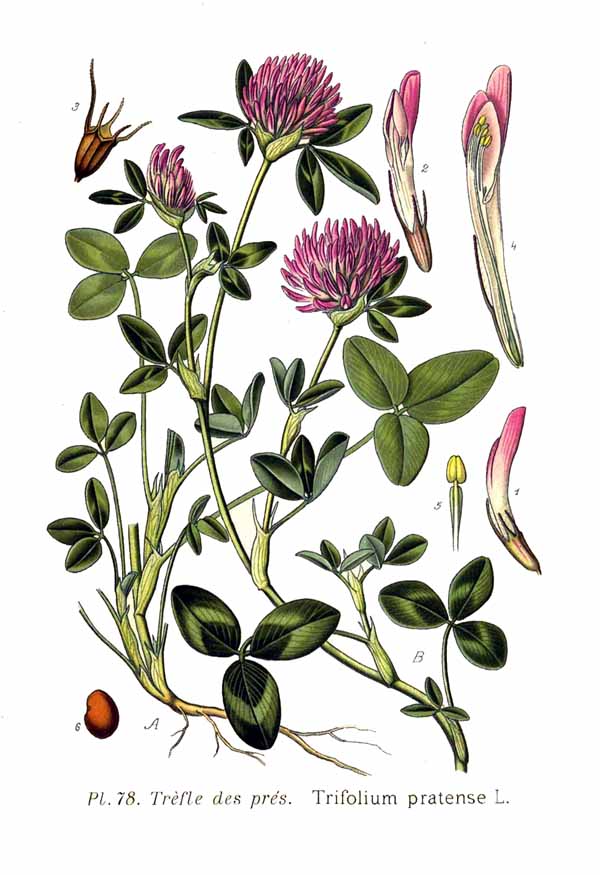
Wikimedia Commons / CC BY-SA
Parts Used
Flower
Therapeutic Uses
Menopausal symptoms (hot flushes — RCTs show modest benefit), osteoporosis prevention (estrogenic), benign prostatic hyperplasia (antiandrogenic), respiratory catarrh, chronic skin conditions (alterative).
Herbal Actions
Phytoestrogenic, anti-inflammatory, expectorant, antispasmodic, alterative
Active Constituents
Isoflavones (formononetin, biochanin A, daidzein, genistein — phytoestrogens), flavonoids, volatile oil, coumarins
Preparation Methods
☕ Herbal Tea🏺 Tincture💊 Capsule
Traditional Preparation Notes
| Herbal Tea | 2 tsp dried flowers per 250ml, steep 10 min, 3x daily |
| Tincture | 2–4 ml (1:5, 40% ethanol), 3x daily |
| Notes | Standardized extract (40mg isoflavones): Promensil clinical dose for menopause. Biologically active isoflavones converted by gut bacteria. Effects vary with individual gut microbiome. 8–12 weeks for menopause effect. |
Safety Information
Safety Rating
✓ Generally Safe
Pregnancy
Caution in Pregnancy
Drug Interactions
Possible — consult doctor
Contraindications: Avoid in hormone-sensitive cancers. Caution in early pregnancy (estrogenic). Caution with anticoagulants (coumarin content). Caution with tamoxifen.
Side Effects: GI upset. Mild estrogenic effects. Rare allergic reactions (legume family).