Rutaceae
Prickly Ash
Zanthoxylum americanum
⚠ Use with Caution
Avoid in Pregnancy
Native to: Eastern North America
Also known as: Northern Prickly Ash, Toothache Tree, Suterberry
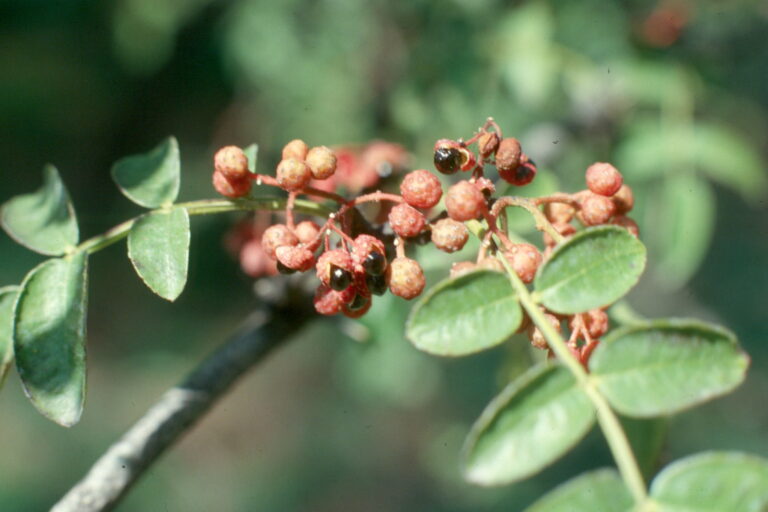
Wikimedia Commons / CC BY-SA
Parts Used
BarkBerry
Therapeutic Uses
Poor peripheral circulation, Raynaud's disease, rheumatic conditions, dental pain (topical — bark), chronic skin conditions (alterative), digestive sluggishness. Warming circulatory herb.
Herbal Actions
Circulatory stimulant, antispasmodic, anti-rheumatic, analgesic (topical-dental), diaphoretic, alterative
Active Constituents
Isoquinoline alkaloids (chelerythrine, magnoflorine, laurifoline), coumarins (xanthyletin), essential oil, tannins, resin
Preparation Methods
🏺 Tincture🍵 Decoction
Traditional Preparation Notes
| Herbal Tea | 1 tsp dried bark per 250ml, simmer 10 min, 3x daily |
| Tincture | 2–4 ml (1:5, 60% ethanol), 3x daily |
| Notes | Bark contains high chelerythrine — numbs tongue (quality marker). Combine with hawthorn for peripheral circulation. Topical application of bark to gum for dental pain. Warming herb — suited to cold constitutions. |
Safety Information
Safety Rating
⚠ Use with Caution
Pregnancy
Avoid in Pregnancy
Drug Interactions
Possible — consult doctor
Contraindications: Avoid in pregnancy (alkaloids). Avoid with anticoagulants. Caution in inflammatory conditions (warming — may aggravate heat conditions).
Side Effects: GI irritation. Excessive salivation (topical). Skin photosensitivity (coumarins).