Theaceae
Green Tea
Camellia sinensis
✓ Generally Safe
Caution in Pregnancy
Native to: Yunnan, China (cultivated globally)
Also known as: Chinese Tea, Tea Plant, Japanese Green Tea
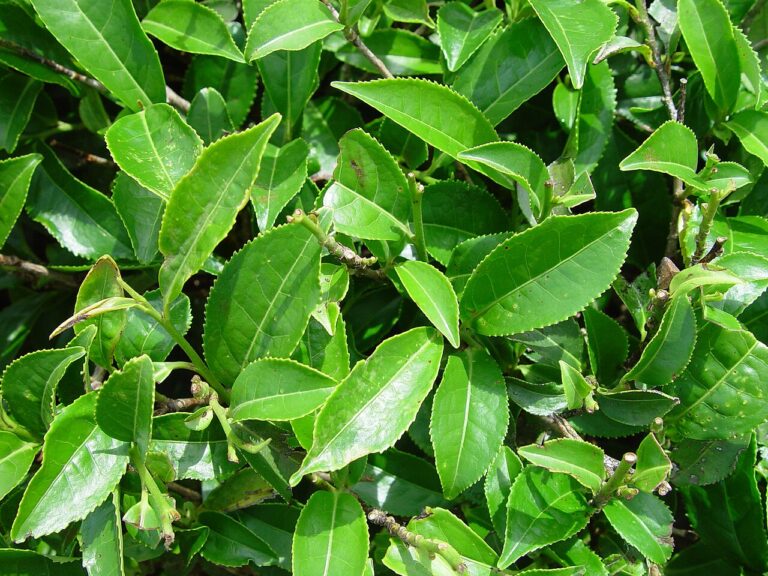
Wikimedia Commons / CC BY-SA
Parts Used
Leaf
Therapeutic Uses
Cardiovascular disease prevention (reduces LDL, blood pressure), type 2 diabetes, weight management, cognitive function, cancer prevention (observational evidence), oral health (antimicrobial).
Herbal Actions
Antioxidant (EGCG most potent natural antioxidant per gram), anti-inflammatory, thermogenic, antidiabetic, cardiovascular protective, neuroprotective, antimicrobial
Active Constituents
Catechins (EGCG — epigallocatechin gallate 50% of catechins, EGC, ECG, EC), caffeine (2–4%), L-theanine, flavonoids, tannins, vitamins C and E
Preparation Methods
☕ Herbal Tea💊 Capsule🏺 Tincture
Traditional Preparation Notes
| Herbal Tea | 2 tsp loose leaf per 250ml, 70–80°C water (not boiling), steep 2–3 min, 3–5 cups daily |
| Tincture | Green tea extract (standardized 50% EGCG): 400–500mg 2x daily |
| Notes | Do not use boiling water — destroys catechins and increases bitterness. Extract without caffeine available. L-theanine + caffeine synergy: calm focus without jitteriness. 3–5 cups daily: cardiovascular protective dose in epidemiological studies. |
Safety Information
Safety Rating
✓ Generally Safe
Pregnancy
Caution in Pregnancy
Drug Interactions
Possible — consult doctor
Contraindications: High caffeine — avoid in insomnia, anxiety, hypertension, arrhythmias. Extract: hepatotoxicity in rare cases (high-dose EGCG). Avoid with iron supplements (tannins reduce absorption). Caution in pregnancy.
Side Effects: Caffeine effects (insomnia, anxiety, tachycardia). Iron absorption reduction. High-dose extract: rare hepatotoxicity. Teeth staining.