Asteraceae
Chrysanthemum Tea
Chrysanthemum morifolium
✓ Generally Safe
Caution in Pregnancy
Native to: China, Japan (cultivated globally)
Also known as: Ju Hua, Chrysanthemum Flower, Florist Chrysanthemum
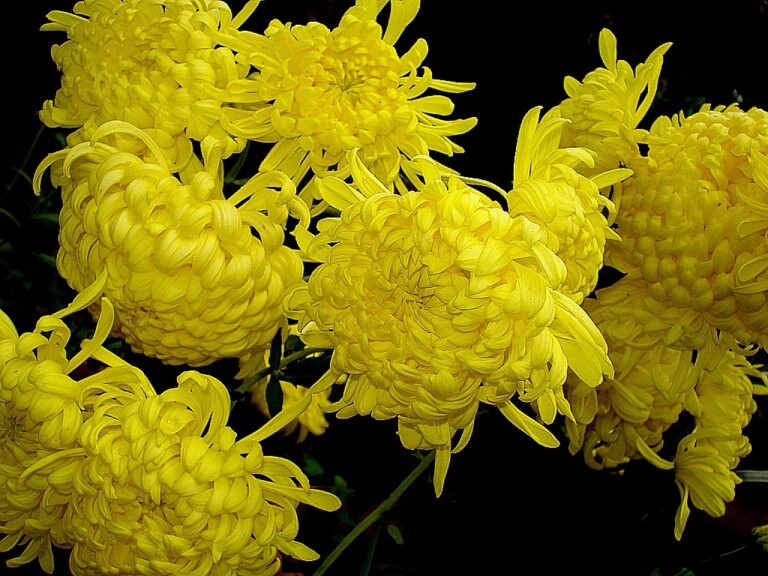
Wikimedia Commons / CC BY-SA
Parts Used
Flower
Therapeutic Uses
Hypertension (clinical trials — significant BP reduction), eye redness/fatigue, headaches, dizziness, fever, cardiovascular protection.
Herbal Actions
Antihypertensive, anti-inflammatory, antimicrobial, antiviral, hepatoprotective, cooling (TCM eye herb)
Active Constituents
Flavonoids (acacetin, luteolin, apigenin), sesquiterpene lactones, volatile oil (camphor, borneol), adenosine glycosides
Preparation Methods
☕ Herbal Tea🏺 Tincture💊 Capsule
Traditional Preparation Notes
| Herbal Tea | 2–3 dried flowers per 250ml, steep 5 min — golden, 2–3x daily |
| Tincture | 3–5 ml (1:5, 40% ethanol), 2–3x daily |
| Notes | Traditional Chinese daily tea for hypertension and eye health. White type cooling for eyes; yellow more anti-inflammatory. Combine with wolfberry for eye health. |
Safety Information
Safety Rating
✓ Generally Safe
Pregnancy
Caution in Pregnancy
Drug Interactions
Possible — consult doctor
Contraindications: Asteraceae allergy. Antihypertensives (additive). Caution in pregnancy.
Side Effects: Rare allergic reactions. GI upset. Very well tolerated.