Rutaceae
Bitter Orange
Citrus aurantium
⚠ Use with Caution
Caution in Pregnancy
Native to: Southeast Asia, India (cultivated Mediterranean, Americas)
Also known as: Seville Orange, Sour Orange, Bigarade, Zhi Shi
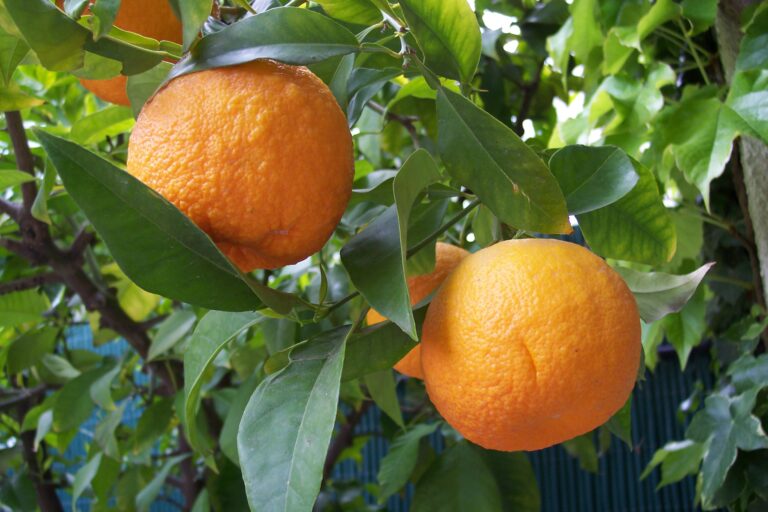
Wikimedia Commons / CC BY-SA
Parts Used
FruitFlowerPeel
Therapeutic Uses
Appetite suppression, weight management (synephrine), digestive complaints, nausea (flower tea), fungal infections (essential oil topical). Widely used as ephedra substitute after ephedra ban.
Herbal Actions
Stimulant (sympathomimetic), carminative, cholagogue, antifungal (essential oil), digestive bitter (peel)
Active Constituents
Synephrine (peel — sympathomimetic amine), flavonoids (hesperidin, naringenin, neohesperidin), essential oil (limonene, linalool), furanocoumarins (bergapten)
Preparation Methods
🏺 Tincture💊 Capsule☕ Herbal Tea
Traditional Preparation Notes
| Herbal Tea | Flower tea (neroli): 1 tsp per 250ml, steep 10 min — calming, not stimulant |
| Tincture | 1–2 ml (1:5, 60% ethanol) bitter orange peel, 3x daily before meals |
| Notes | Synephrine extract (stimulant form): use with extreme caution — cardiovascular risk. Bitter orange peel as digestive bitter is safe. Flower water (hydrolat) and tea from flowers is calming and safe. |
Safety Information
Safety Rating
⚠ Use with Caution
Pregnancy
Caution in Pregnancy
Drug Interactions
⚠ Known interactions
Contraindications: Synephrine — avoid with MAOIs, stimulants, thyroid disorders, cardiovascular disease, hypertension. Furanocoumarins — CYP3A4 inhibitor (drug interactions similar to grapefruit). Contraindicated in pregnancy (stimulant effect).
Side Effects: Synephrine: tachycardia, hypertension, QT prolongation, stroke (rare but reported). Photosensitivity with essential oil. GI irritation.