Fabaceae
Carob
Ceratonia siliqua
✓ Generally Safe
Safe in Pregnancy
Native to: Mediterranean, Middle East
Also known as: St John's Bread, Locust Bean, Caroube, Algarroba
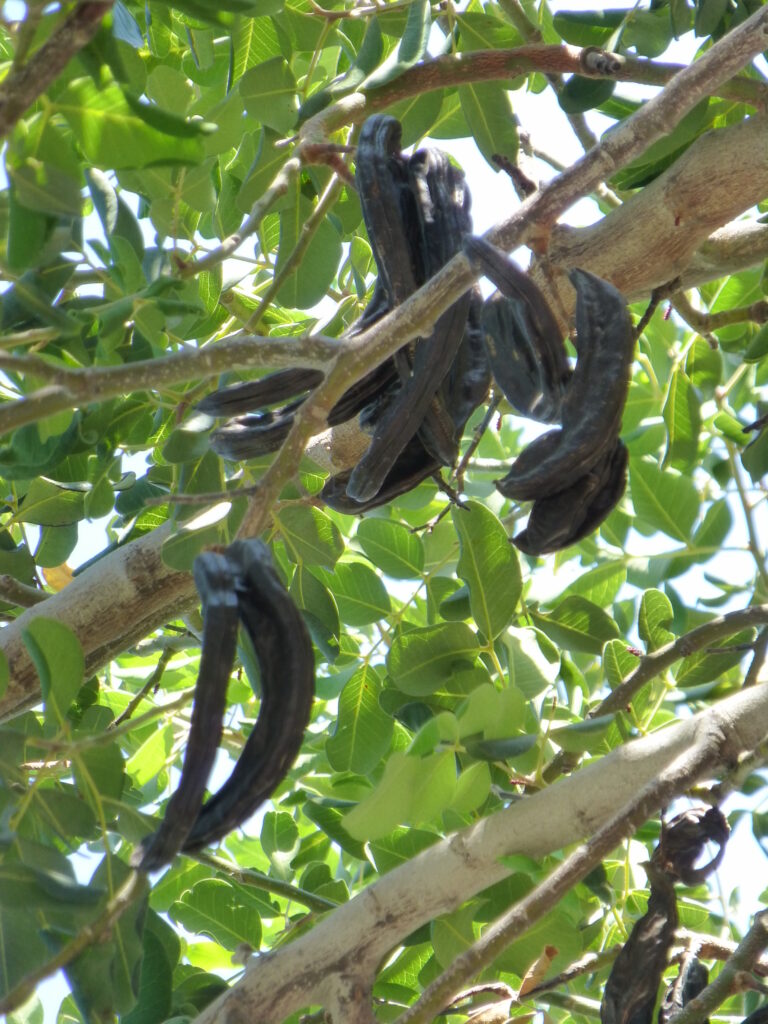
Wikimedia Commons / CC BY-SA
Parts Used
PodSeed
Therapeutic Uses
Diarrhea in children (clinical RCT — carob flour bean significantly reduces duration), GERD (thickens feeds), celiac disease (gluten-free), hypercholesterolaemia, prebiotic gut support.
Herbal Actions
Antidiarrheal (tannins bind water, reduce GI secretions), prebiotic (galactomannan), antioxidant, hypocholesterolaemic, emetic prevention
Active Constituents
Tannins (condensed — 16–20% of pod), dietary fiber (galactomannan from seed — prebiotic), sugars (sucrose, glucose, fructose), proteins, polyphenols, inositol, calcium
Preparation Methods
Powder🍵 DecoctionFood
Traditional Preparation Notes
| Herbal Tea | 1–2 tbsp carob powder per 250ml warm water or formula, 2–3x daily |
| Tincture | Carob powder: 20–30g daily. Locust bean gum: 2–4g as fiber supplement. |
| Notes | For infant diarrhea: carob flour in water or formula (clinical dose: 1g/kg/day). GERD in infants: thickening agent (carob-based). Gluten-free chocolate alternative. Natural sweetness — good for reducing sugar in recipes. |
Safety Information
Safety Rating
✓ Generally Safe
Pregnancy
Safe in Pregnancy
Drug Interactions
Possible — consult doctor
Contraindications: Locust bean gum slows drug absorption. Very safe otherwise.
Side Effects: Constipation if excess tannin. Gas and bloating (fiber). Allergic reactions (rare). Very safe.