Grossulariaceae
Blackcurrant
Ribes nigrum
✓ Generally Safe
Caution in Pregnancy
Native to: Northern Europe and Asia
Also known as: Black Currant, European Black Currant, Cassis
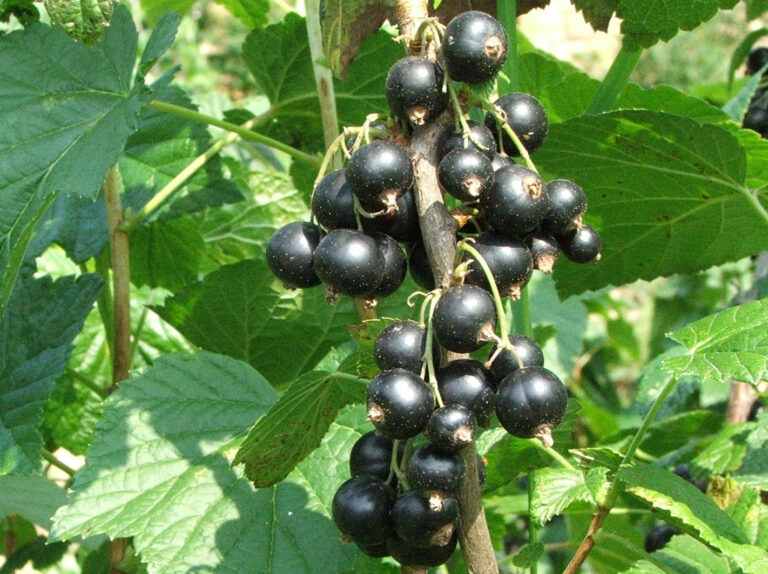
Wikimedia Commons / CC BY-SA
Parts Used
BerryLeafSeed
Therapeutic Uses
Immune support, cardiovascular protection, antiallergic, urinary tract conditions (leaf diuretic), eye health, arthritis, GLA for skin conditions (seed oil).
Herbal Actions
Antioxidant, anti-inflammatory, immunostimulant, antihistamine (anthocyanins), vasoprotective, antimicrobial, diuretic (leaf)
Active Constituents
Berry: anthocyanins (cyanidin-3-glucoside — primary, delphinidin glycosides), vitamin C (200mg/100g — 3x orange), GLA (seed oil — 15–20%). Leaf: flavonoids (quercetin, rutin), tannins, essential oil (cat ketone, bornyl acetate)
Preparation Methods
Juice🏺 Tincture☕ Herbal Tea💊 Capsule💧 Infused Oil
Traditional Preparation Notes
| Herbal Tea | Berry juice: 200–400ml daily. Leaf tea: 2 tsp per 250ml, steep 10 min, 3x daily |
| Tincture | Berry extract: 500mg standardized 2x daily. Seed oil: 1–3g GLA daily. |
| Notes | Highest anthocyanin content of common European berries. Seed oil: second only to borage for GLA content. For arthritis: berry anthocyanins 300mg 2x daily. Leaf for urinary conditions. Cassis (blackcurrant liqueur) has therapeutic anthocyanin content. |
Safety Information
Safety Rating
✓ Generally Safe
Pregnancy
Caution in Pregnancy
Drug Interactions
Possible — consult doctor
Contraindications: Caution with anticoagulants (seed oil). Caution in pregnancy at high therapeutic doses. Very safe as food.
Side Effects: GI upset at high doses. Anticoagulant effects (seed oil). Very well tolerated as food and standard supplement.