Apiaceae
Szechwan Lovage
Ligusticum chuanxiong
⚠ Use with Caution
Avoid in Pregnancy
Native to: Sichuan, China (cultivated)
Also known as: Chuan Xiong, Szechwan Lovage, Chinese Lovage Root
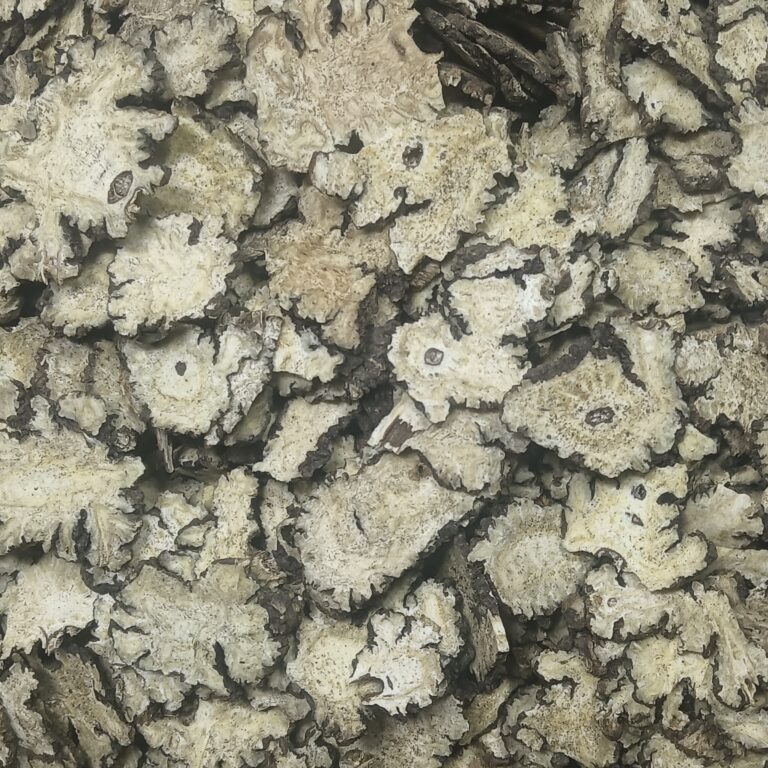
Wikimedia Commons / CC BY-SA
Parts Used
Root
Therapeutic Uses
Headaches and migraines (specific — 'goes to the head' in TCM), menstrual pain, cardiovascular disease (ligustrazine improves circulation), stroke recovery adjunct.
Herbal Actions
Vasodilatory (ligustrazine — antiplatelet, promotes cerebral blood flow), analgesic (menstrual and headache), anti-inflammatory, hepatoprotective, neuroprotective
Active Constituents
Phthalides (Z-ligustilide — primary, butylidenephthalide, senkyunolide), alkaloids (tetramethylpyrazine/ligustrazine — vasodilatory), ferulic acid, polysaccharides, volatile oil
Preparation Methods
🍵 Decoction🏺 Tincture💊 Capsule
Traditional Preparation Notes
| Herbal Tea | 3–9g dried root simmered 20 min in 500ml, 2x daily |
| Tincture | 3–5 ml (1:5, 40% ethanol), 2–3x daily |
| Notes | Central herb in Four Substances Decoction (Si Wu Tang) — classic women's formula. Ligustrazine injectable used in Chinese hospitals for stroke and cardiovascular conditions. Goes up to the head — specific for head conditions. |
Safety Information
Safety Rating
⚠ Use with Caution
Pregnancy
Avoid in Pregnancy
Drug Interactions
⚠ Known interactions
Contraindications: Avoid in pregnancy (strong emmenagogue, uterotonic). Avoid with anticoagulants (significant interaction). Avoid in heavy menstrual bleeding.
Side Effects: GI irritation. Dizziness. Headache (ironically, in excess). Anticoagulant effects. Generally safe at therapeutic doses.