Rosaceae
Pygeum
Pygeum africanum
✓ Generally Safe
Avoid in Pregnancy
Native to: Sub-Saharan Africa, Madagascar
Also known as: African Plum Tree, Prunus africana, Bitter Almond
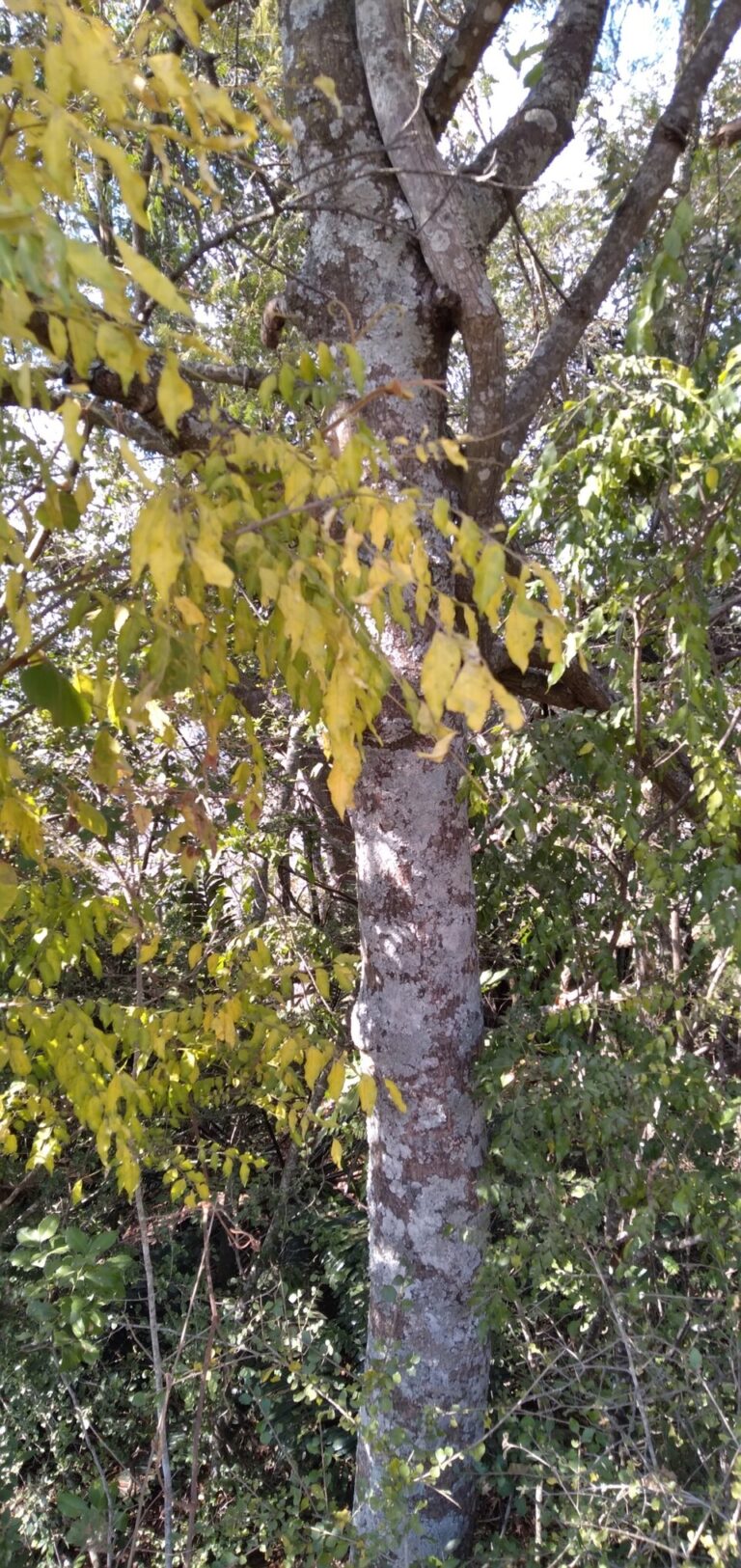
Wikimedia Commons / CC BY-SA
Parts Used
Bark
Therapeutic Uses
Benign prostatic hyperplasia (BPH — multiple RCTs and meta-analyses, reduces nocturia and improve urinary flow by 50%), prostatitis, prostate health. Comparable to saw palmetto with different mechanism.
Herbal Actions
Anti-androgenic (5-alpha reductase inhibition), anti-inflammatory (inhibits prostate growth factors), antioedematous
Active Constituents
Phytosterols (beta-sitosterol, beta-sitosterol glucoside), pentacyclic triterpenes (oleanolic acid, ursolic acid), ferulic acid, esters
Preparation Methods
💊 Capsule🏺 Tincture
Traditional Preparation Notes
| Herbal Tea | Not practical — bark decoction poorly standardized |
| Tincture | Standardized extract (14% triterpenes + 0.5% n-docosanol): 100mg daily or 50mg 2x daily |
| Notes | Endangered — use sustainably sourced certified bark. Combines excellently with saw palmetto for BPH. Effects in 4–8 weeks. Different mechanism from saw palmetto — complementary combination. |
Safety Information
Safety Rating
✓ Generally Safe
Pregnancy
Avoid in Pregnancy
Drug Interactions
Possible — consult doctor
Contraindications: Not for women or children (hormonal effects). Caution with hormone-sensitive conditions. Source sustainably — bark harvest threatens wild trees.
Side Effects: Mild GI upset. Very well tolerated at standard doses.