Ranunculaceae
Pulsatilla
Pulsatilla vulgaris
✗ High Risk
Avoid in Pregnancy
Native to: Central and Northern Europe
Also known as: Pasque Flower, Windflower, Easter Flower, Meadow Anemone
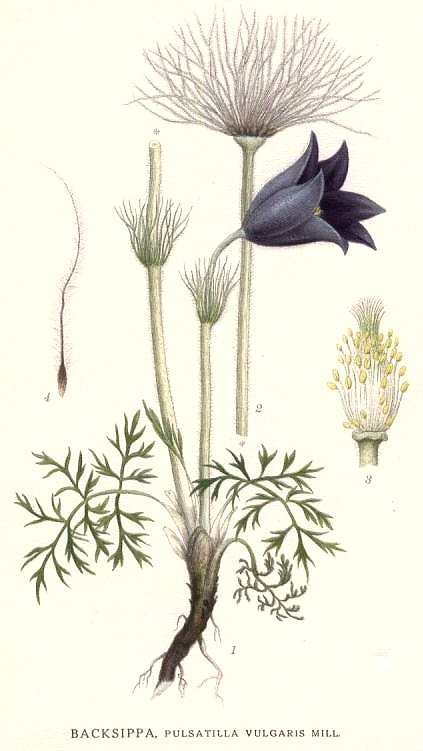
Wikimedia Commons / CC BY-SA
Parts Used
Aerial parts
Therapeutic Uses
Dysmenorrhea with clots, orchitis, epididymitis, ovarian pain, earache (otitis), headaches (nervous tension), anxiety with physical tension. HOMEOPATHIC use most common. Rarely used as herbal preparation.
Herbal Actions
Nervine, antispasmodic, anti-inflammatory, analgesic, sedative, antimicrobial
Active Constituents
Protoanemonin (converted to anemonin when dried — toxic fresh, safe dried), saponins, flavonoids (pulsatilloside), tannins
Preparation Methods
🏺 Tincture☕ Herbal Tea
Traditional Preparation Notes
| Herbal Tea | FRESH PLANT TOXIC — dried only: 0.5 tsp per 250ml, steep 10 min, 2x daily |
| Tincture | 0.5–1 ml (1:5, 25% ethanol, dried herb only), 2–3x daily — LOW DOSE |
| Notes | ONLY USE DRIED MATERIAL — fresh plant contains irritant protoanemonin. Low dose herb. Primarily used homeopathically. Traditional use for testicular pain and specific menstrual conditions. Professional guidance recommended. |
Safety Information
Safety Rating
✗ High Risk
Pregnancy
Avoid in Pregnancy
Drug Interactions
None known
Contraindications: Fresh plant highly irritant — skin blisters, mucous membrane damage. Dried herb: avoid in pregnancy (uterotonic). Low dose essential.
Side Effects: Fresh plant: severe skin and mucosal irritation. Dried herb: GI upset, nausea at high doses.