Schisandraceae
Schisandra
Schisandra chinensis
✓ Generally Safe
Avoid in Pregnancy
Native to: Northern China, Korea, Russia
Also known as: Five Flavor Berry, Wu Wei Zi, Magnolia Vine
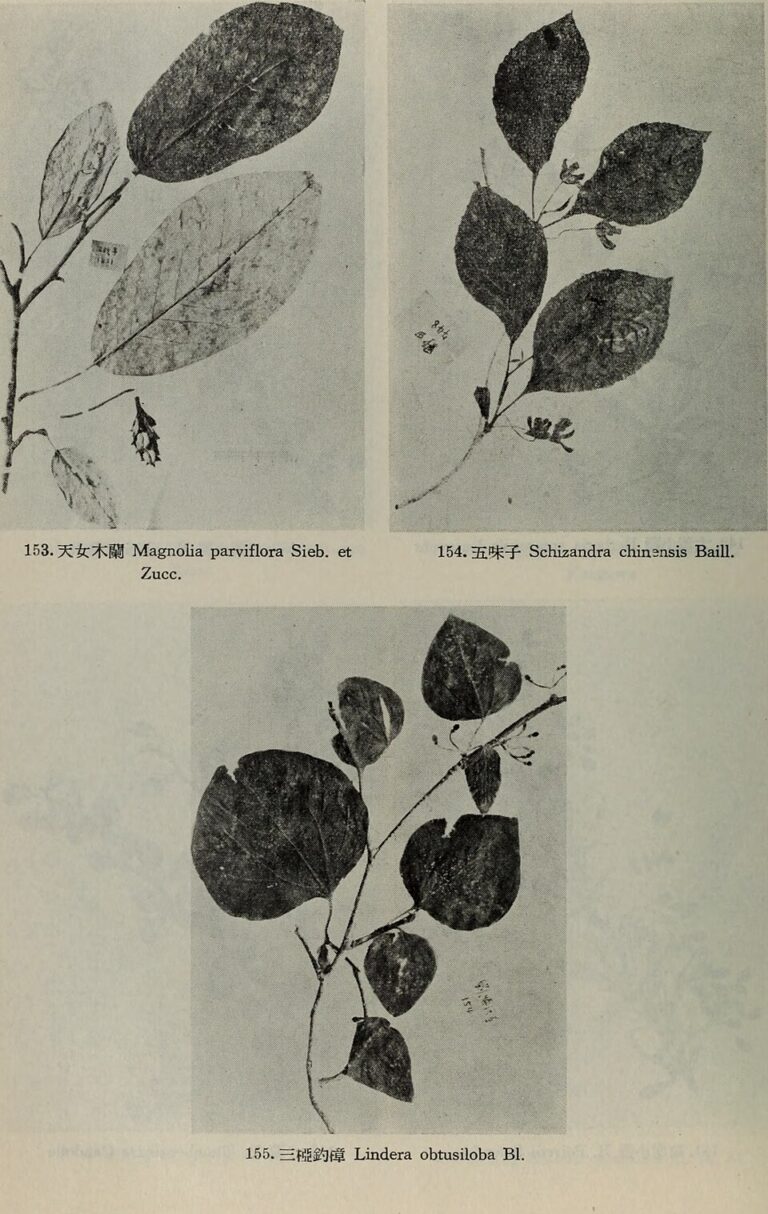
Wikimedia Commons / CC BY-SA
Parts Used
Berry
Therapeutic Uses
Liver disease (hepatitis, cirrhosis — clinical evidence), adrenal fatigue, insomnia, anxiety, cognitive decline, chronic stress, athletic endurance. Unique herb addressing all five Yin organs in TCM. Proven hepatoprotective in clinical studies.
Herbal Actions
Adaptogen, hepatoprotective, nervine tonic, astringent, immunomodulator, antioxidant, cognitive enhancer
Active Constituents
Lignans (schisandrin, gomisins, deoxyschisandrin), essential oils, organic acids (citric, malic, tartaric), vitamins C and E, phytosterols
Preparation Methods
🏺 Tincture🍵 Decoction💊 Capsule
Traditional Preparation Notes
| Herbal Tea | 5g dried berries simmered 20 min in 300ml, 2x daily |
| Tincture | 2–4 ml (1:5, 60% ethanol), 2–3x daily |
| Notes | Standard extract (2% schisandrins): 500mg 2x daily. Tincture of fresh or dried berries highly effective. Benefits accumulate over 4–8 weeks. Best taken with food. |
Safety Information
Safety Rating
✓ Generally Safe
Pregnancy
Avoid in Pregnancy
Drug Interactions
⚠ Known interactions
Contraindications: Avoid in pregnancy (uterine stimulant). May inhibit CYP3A4 — interact with many drugs. Avoid in acute infection or fever (astringent action traps pathogens).
Side Effects: Heartburn, GI upset at high doses. Skin rash (rare). Restlessness with large doses.