Arecaceae
Saw Palmetto
Serenoa repens
✓ Generally Safe
Avoid in Pregnancy
Native to: Southeastern United States
Also known as: Dwarf Palmetto, Cabbage Palm, American Dwarf Palm Tree
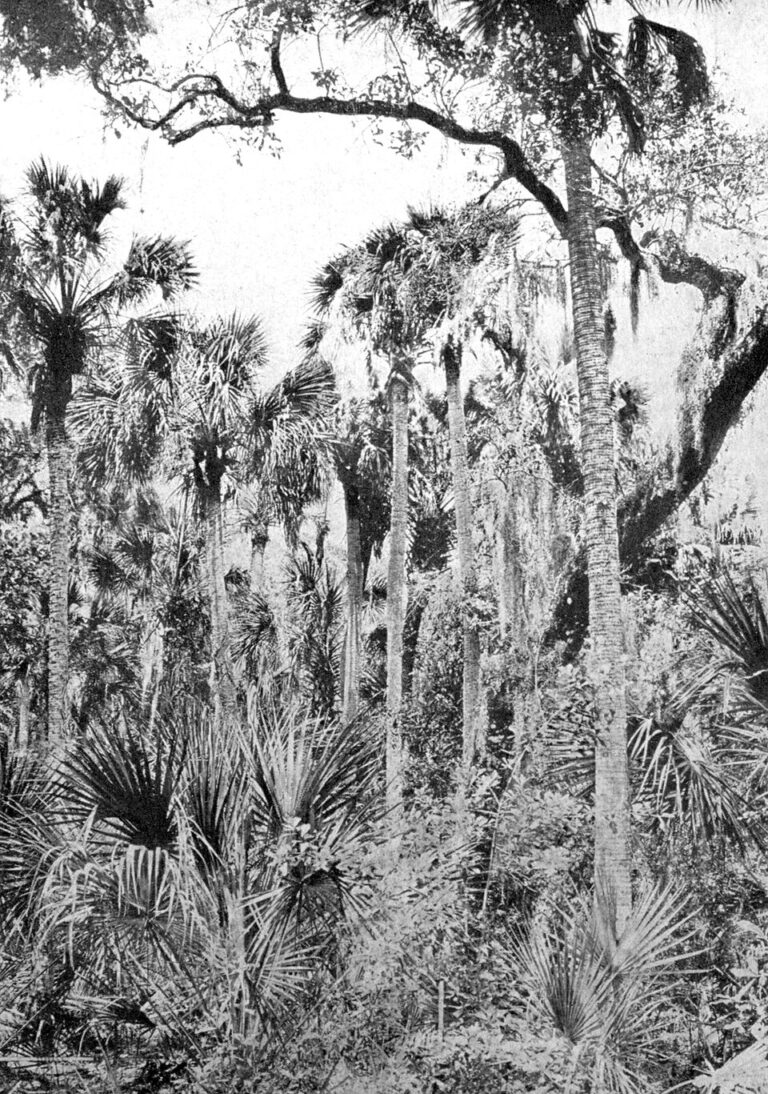
Wikimedia Commons / CC BY-SA
Parts Used
Berry
Therapeutic Uses
Benign prostatic hyperplasia (BPH — multiple RCTs, comparable to finasteride with fewer side effects), male hair loss (androgenetic alopecia), chronic pelvic pain syndrome, female hormonal imbalance.
Herbal Actions
Anti-androgenic (5-alpha reductase inhibitor), anti-inflammatory, diuretic, antispasmodic, trophorestorative for reproductive tissues
Active Constituents
Fatty acids and sterols: lauric acid, oleic acid, myristic acid, β-sitosterol, free fatty acids, polysaccharides
Preparation Methods
💊 Capsule🏺 Tincture
Traditional Preparation Notes
| Herbal Tea | Not effective as tea — lipophilic compounds require fat/alcohol extraction |
| Tincture | 4–6 ml (1:2, 95% ethanol), 2x daily — requires alcohol for fat-soluble actives |
| Notes | Lipid-sterolic extract: 160mg 2x daily (most studied form — Permixon brand). Fat-soluble actives — take with food. Effects on BPH take 4–6 weeks. Lipid extract superior to water extract. |
Safety Information
Safety Rating
✓ Generally Safe
Pregnancy
Avoid in Pregnancy
Drug Interactions
Possible — consult doctor
Contraindications: Not for use in women of childbearing age (antiandrogenic). Avoid with finasteride, dutasteride, hormone therapies. Avoid in pregnancy and children.
Side Effects: Mild GI upset. Rare: headache, decreased libido, erectile dysfunction (uncommon). Generally very well tolerated — better side effect profile than pharmaceutical alternatives.