Ginkgoaceae
Ginkgo
Ginkgo biloba
⚠ Use with Caution
Avoid in Pregnancy
Native to: China (one of oldest living tree species — 200+ million years)
Also known as: Maidenhair Tree, Living Fossil, Silver Apricot
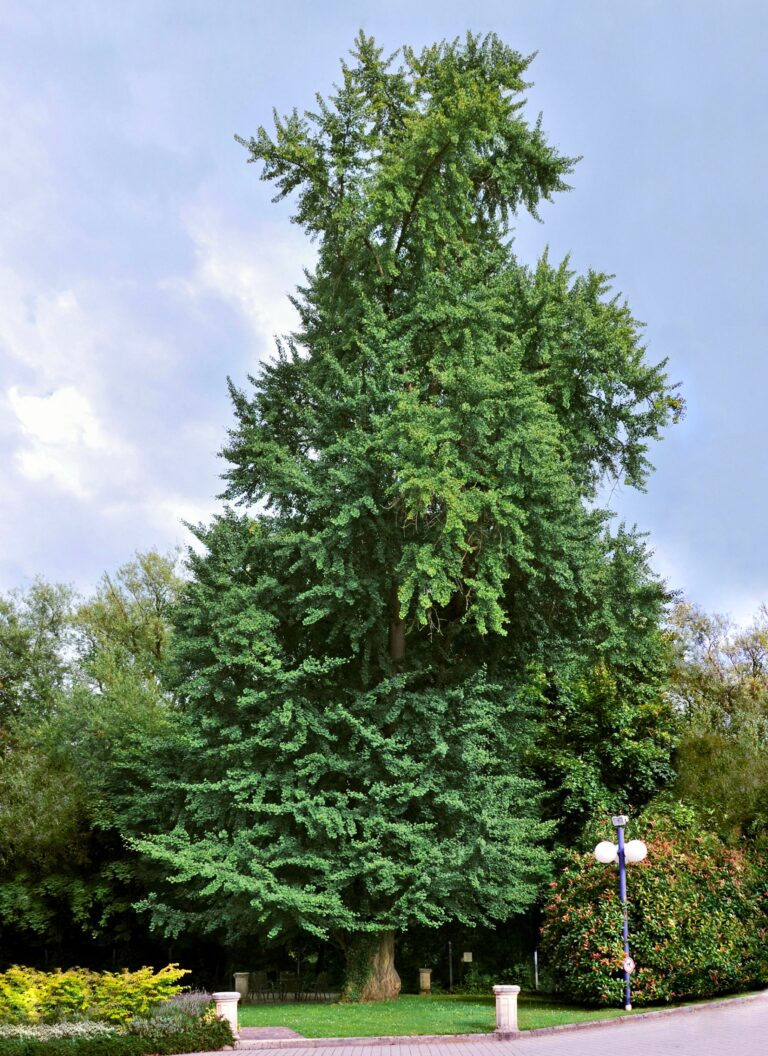
Wikimedia Commons / CC BY-SA
Parts Used
Leaf
Therapeutic Uses
Cognitive decline and dementia (Alzheimer's — Cochrane review confirms modest benefit), vascular dementia, tinnitus, peripheral arterial disease, macular degeneration, altitude sickness, sexual dysfunction (SSRI-induced).
Herbal Actions
Cerebral vasodilator, antioxidant, neuroprotective, platelet activating factor (PAF) inhibitor, anti-inflammatory, antidepressant
Active Constituents
Flavonoids (ginkgo flavone glycosides: quercetin, kaempferol, isorhamnetin), terpenoids (ginkgolides A/B/C, bilobalide), organic acids
Preparation Methods
💊 Capsule🏺 Tincture☕ Herbal Tea
Traditional Preparation Notes
| Herbal Tea | 1–2 tsp dried leaf per 250ml, steep 10 min, 2–3x daily |
| Tincture | 3–5 ml (1:5, 60% ethanol), 3x daily |
| Notes | Standardized extract EGb 761 (24% flavone glycosides, 6% terpene lactones): 120–240mg daily in 2–3 divided doses — this is the only clinically validated form. Raw leaves contain ginkgolic acids (allergenic) — avoid. Minimum 8 weeks for cognitive effects. |
Safety Information
Safety Rating
⚠ Use with Caution
Pregnancy
Avoid in Pregnancy
Drug Interactions
⚠ Known interactions
Contraindications: Avoid with anticoagulants, aspirin, NSAIDs, SSRIs, MAOIs. Stop 36 hours before surgery. Contraindicated in pregnancy and seizure disorders (may lower seizure threshold).
Side Effects: Headache, GI upset, palpitations, dizziness. Bleeding risk with antiplatelet/anticoagulant drugs. Raw ginkgo fruit toxic (ginkgotoxin).