Araliaceae
Ginseng
Panax ginseng
⚠ Use with Caution
Avoid in Pregnancy
Native to: Manchuria, Korea, Eastern Russia
Also known as: Asian Ginseng, Korean Ginseng, Chinese Ginseng
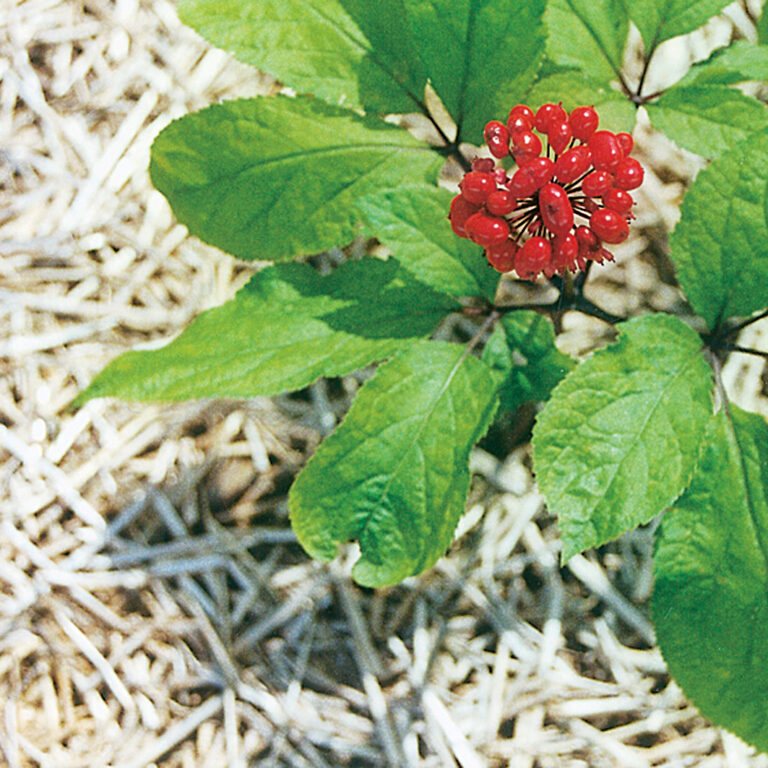
Wikimedia Commons / CC BY-SA
Parts Used
Root
Therapeutic Uses
Fatigue, cognitive impairment, erectile dysfunction (multiple RCTs), type 2 diabetes (blood sugar regulation), immune modulation, athletic performance, menopausal symptoms. Most extensively researched adaptogen in the world.
Herbal Actions
Adaptogen, immunomodulator, cognitive enhancer, antidiabetic, ergogenic, neuroprotective, antioxidant
Active Constituents
Ginsenosides (Rb1, Rb2, Rc, Rd, Re, Rf, Rg1 — 30+ identified), panaxans, polyacetylenes, peptides, vitamins B group
Preparation Methods
🍵 Decoction🏺 Tincture💊 Capsule
Traditional Preparation Notes
| Herbal Tea | 3–9g root simmered 45 min in 500ml, 1–2x daily |
| Tincture | 3–5 ml (1:5, 60% ethanol), 2x daily |
| Notes | Standardized extract (4–7% ginsenosides): 200–400mg 2x daily. Red ginseng (steamed) more stimulating than white. Cycle 3 months on, 1 month off. Best taken in morning — may cause insomnia if taken late. |
Safety Information
Safety Rating
⚠ Use with Caution
Pregnancy
Avoid in Pregnancy
Drug Interactions
⚠ Known interactions
Contraindications: Avoid with MAOIs (hypertensive crisis risk), warfarin, digoxin, oral hypoglycemics, immunosuppressants. Avoid in acute illness, hypertension. Contraindicated in pregnancy.
Side Effects: Insomnia, hypertension, palpitations, headache at high doses. Mastalgia. 'Ginseng abuse syndrome' with very high doses (diarrhea, bleeding, agitation).