Polygonaceae
Fo-Ti
Polygonum multiflorum
⚠ Use with Caution
Avoid in Pregnancy
Native to: China, Japan, Taiwan
Also known as: He Shou Wu, Chinese Knotweed, Flowery Knotweed
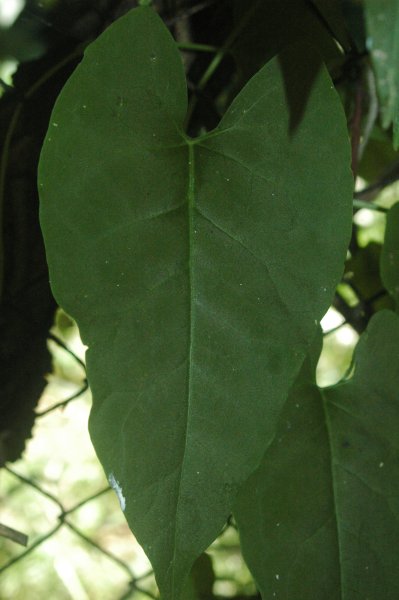
Wikimedia Commons / CC BY-SA
Parts Used
Root
Therapeutic Uses
Premature aging (hair graying), hair loss, neurodegenerative diseases, hyperlipidemia, insomnia (kidney deficiency pattern). One of the most revered tonic herbs in Traditional Chinese Medicine.
Herbal Actions
Tonic, antioxidant, neuroprotective, anti-aging, mild laxative (raw), liver tonic (prepared)
Active Constituents
Stilbene glycosides (2,3,5,4-tetrahydroxystilbene-2-O-β-glucoside), anthraquinones (emodin, chrysophanol), phospholipids, tannins
Preparation Methods
🍵 Decoction💊 Capsule🏺 Tincture
Traditional Preparation Notes
| Herbal Tea | 9–15g prepared (cured) root per 500ml, simmer 45 min, 2x daily |
| Tincture | 3–5 ml (1:5, 40% ethanol, prepared root only), 2x daily |
| Notes | CRITICAL: Must use PREPARED (cured) He Shou Wu, not raw root. Prepared with black beans — reduces hepatotoxic compounds. Raw root causes liver damage. Standard dose: 500mg–1.5g prepared extract daily. |
Safety Information
Safety Rating
⚠ Use with Caution
Pregnancy
Avoid in Pregnancy
Drug Interactions
⚠ Known interactions
Contraindications: Raw (unprepared) root — hepatotoxic. Avoid in liver disease, diarrhea, excessive phlegm. Avoid with anticoagulants. Contraindicated in pregnancy.
Side Effects: Diarrhea (common), liver toxicity (raw root or high doses of prepared root). Skin rash. Nausea. Cases of severe hepatitis reported.