Rubiaceae
Yohimbe Bark
Pausinystalia yohimbe
✗ High Risk
Avoid in Pregnancy
Native to: West Africa (Cameroon, Nigeria, Gabon)
Also known as: Yohimbe, Johimbe, Corynanthe Yohimbe
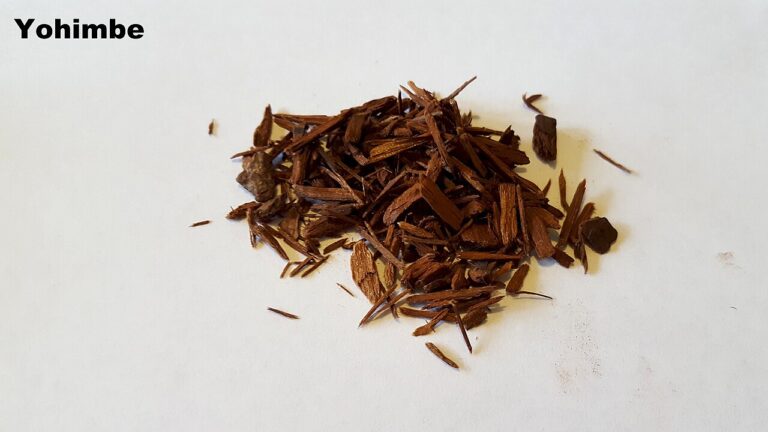
Wikimedia Commons / CC BY-SA
Parts Used
Bark
Therapeutic Uses
Erectile dysfunction (yohimbine HCl — FDA-cleared, multiple RCTs), sexual dysfunction (both sexes), weight loss (fat mobilization). Yohimbine pharmaceutical grade most studied.
Herbal Actions
Alpha-2 adrenergic blocker (stimulates norepinephrine release), aphrodisiac, fat mobilizer (lipolytic), antidepressant, vasodilator
Active Constituents
Indole alkaloids (yohimbine 6% — alpha-2 adrenergic blocker, corynanthine, alpha-yohimbine, allo-yohimbine)
Preparation Methods
💊 Capsule🏺 Tincture
Traditional Preparation Notes
| Herbal Tea | NOT recommended — variable alkaloid content |
| Tincture | Standardized yohimbine HCl: 5.4mg 3x daily (pharmaceutical grade only — NOT whole bark) |
| Notes | PHARMACEUTICAL YOHIMBINE HCL ONLY for therapeutic use. Whole bark: highly variable alkaloid content — dangerous. FDA-cleared for ED: 5.4mg yohimbine 3x daily. Narrow therapeutic window. Monitor blood pressure. Start low. |
Safety Information
Safety Rating
✗ High Risk
Pregnancy
Avoid in Pregnancy
Drug Interactions
⚠ Known interactions
Contraindications: Avoid with antidepressants (MAOI-type interactions), stimulants, antihypertensives. Avoid in anxiety disorders, hypertension, cardiac disease, kidney disease, liver disease, psychiatric conditions. Avoid whole bark.
Side Effects: Hypertension (paradoxical). Tachycardia. Anxiety, panic attacks. Insomnia. Nausea. Priapism. Dangerous at high doses.