Rosaceae
Wild Strawberry
Fragaria vesca
✓ Generally Safe
Safe in Pregnancy
Native to: Europe, Asia, North America
Also known as: Woodland Strawberry, European Strawberry, Alpine Strawberry
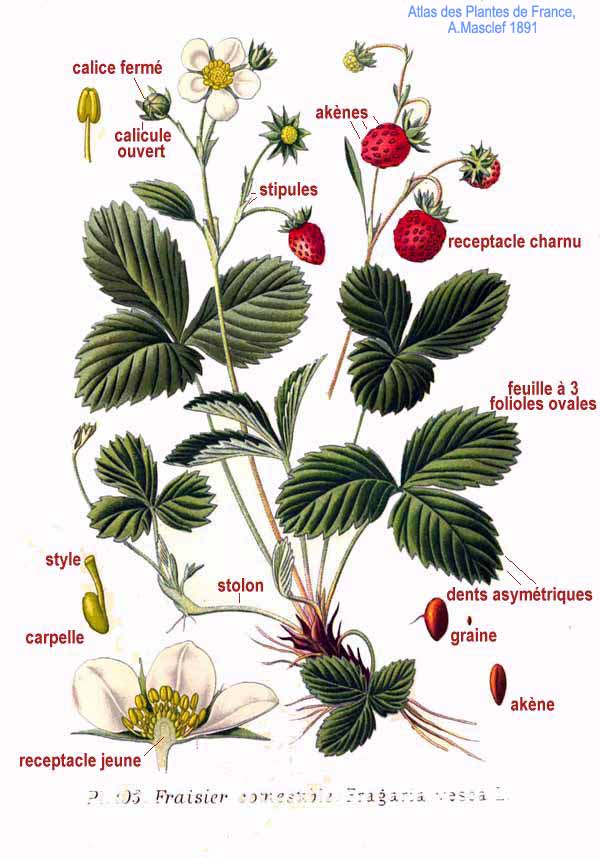
Wikimedia Commons / CC BY-SA
Parts Used
LeafFruitRoot
Therapeutic Uses
Diarrhea (leaf astringent), urinary tract conditions, dental hygiene (tooth cleaner — leaf), eczema (topical), nutritive (fruit). Traditional European herb for digestive complaints.
Herbal Actions
Astringent (leaf), diuretic (mild), anti-inflammatory, antidiarrheal, nutritive (fruit)
Active Constituents
Tannins (ellagitannins — leaf), flavonoids (quercetin, kaempferol, myricetin), salicylates (leaf), vitamin C (fruit), anthocyanins (fruit), fragarol (leaf — antidiarrheal)
Preparation Methods
☕ Herbal Tea🏺 Tincture
Traditional Preparation Notes
| Herbal Tea | 2 tsp dried leaf per 250ml, steep 10 min, 3x daily |
| Tincture | 2–4 ml (1:5, 25% ethanol), 3x daily |
| Notes | Leaf more medicinal than fruit for therapeutic use. Fresh young leaves most astringent. Traditional tooth whitening: rub inside of strawberry fruit on teeth. Fruit: nutritive and antioxidant for dietary use. |
Safety Information
Safety Rating
✓ Generally Safe
Pregnancy
Safe in Pregnancy
Drug Interactions
None known
Contraindications: Aspirin sensitivity (salicylates in leaf). Tannin absorption reduction. Otherwise very safe.
Side Effects: Allergic reactions (strawberry allergy — fruit). Salicylate sensitivity. Reduced mineral absorption. Very safe.