Cupressaceae
Thuja
Thuja occidentalis
⚠ Use with Caution
Avoid in Pregnancy
Native to: Eastern North America
Also known as: Northern White Cedar, Tree of Life, American Arborvitae
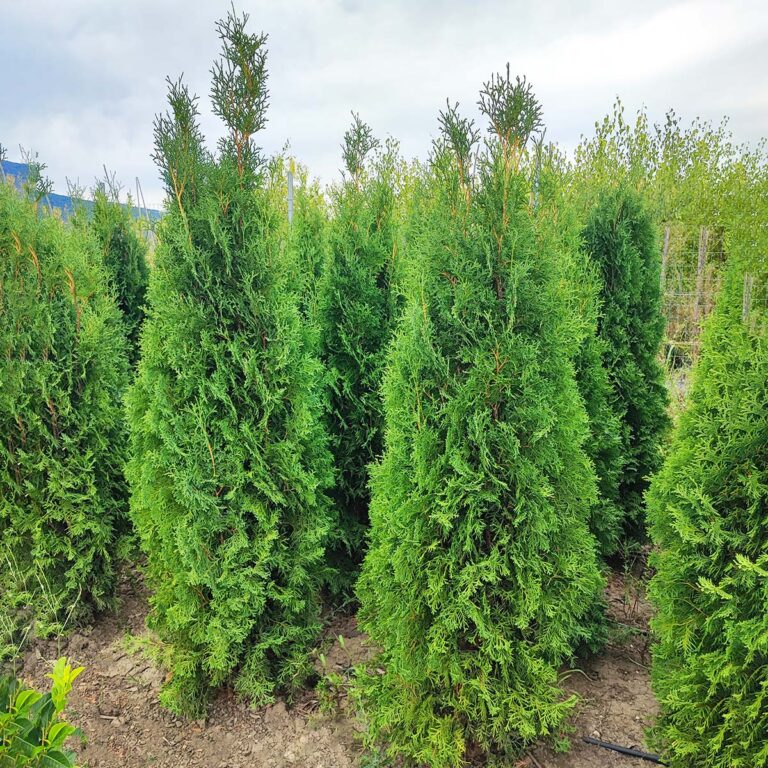
Wikimedia Commons / CC BY-SA
Parts Used
LeafTwig
Therapeutic Uses
Warts (topical — antiviral and cytotoxic), viral infections, immune stimulation, respiratory catarrh, intestinal worms (low dose). Part of Echinacin complex. LOW DOSE HERB.
Herbal Actions
Antiviral, immunostimulant, antifungal, expectorant, anthelmintic
Active Constituents
Volatile oil (alpha and beta-thujone 58% — toxic in excess, fenchone, alpha-pinene, bornyl acetate), flavonoids (quercetin, myricetin), tannins, plicatin
Preparation Methods
🏺 Tincture⚗️ Essential Oil
Traditional Preparation Notes
| Herbal Tea | NOT recommended internally without professional guidance |
| Tincture | 0.5–2 ml (1:10, 40% ethanol) — VERY LOW DOSE, 3x daily |
| Notes | LOW DOSE herb — thujone neurotoxic in excess. Part of Echinacin (echinacea + baptisia + thuja) commercial combination. Topical for warts: apply undiluted tincture directly 2x daily. Professional guidance for internal use. |
Safety Information
Safety Rating
⚠ Use with Caution
Pregnancy
Avoid in Pregnancy
Drug Interactions
None known
Contraindications: Avoid in pregnancy (abortifacient). Avoid in epilepsy (thujone). Low dose essential. Avoid with hepatic disease.
Side Effects: Thujone toxicity (convulsions, liver damage) at excess doses. GI irritation. Topical: generally safe.