
Violaceae
Sweet Violet
Viola odorata
✓ Generally Safe
Safe in Pregnancy
Native to: Europe, Western Asia
Also known as: Common Violet, English Violet, Garden Violet
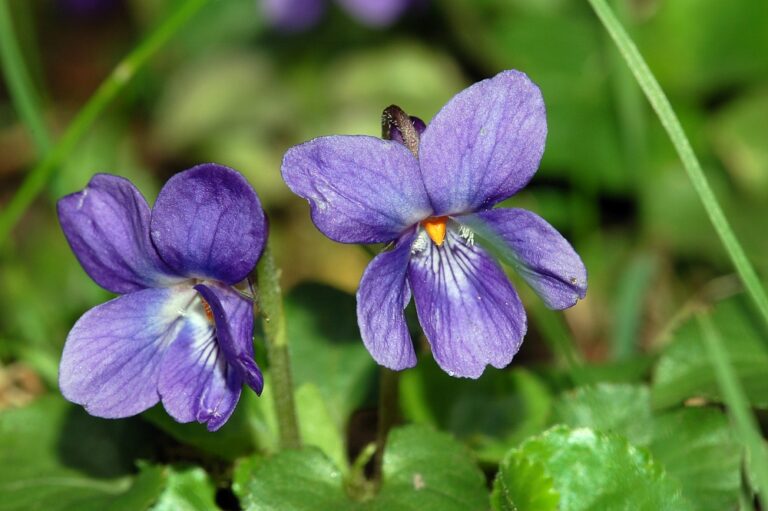
Wikimedia Commons / CC BY-SA
Parts Used
LeafFlower
Therapeutic Uses
Respiratory catarrh, dry cough, bronchitis, upper respiratory infections, lymphatic congestion, skin inflammation (topical), oral ulcers (mouthwash), mild headaches. Gentle but effective respiratory herb.
Herbal Actions
Expectorant, demulcent, anti-inflammatory, lymphagogue, mild laxative, antimicrobial
Active Constituents
Mucilage, saponins (violin), flavonoids (rutin, violanin), alkaloids (odoratine), salicylic acid derivatives, essential oil
Preparation Methods
☕ Herbal Tea🏺 Tincture🍯 Syrup
Traditional Preparation Notes
| Herbal Tea | 2 tsp fresh or 1 tsp dried leaf/flower per 250ml, steep 10 min, 3x daily |
| Tincture | 2–4 ml (1:5, 25% ethanol), 3x daily |
| Notes | Flowers and leaves both medicinal. Syrup made with fresh flowers excellent for children's coughs. Fresh plant has higher mucilage content. Gentle enough for elderly and children. |
Safety Information
Safety Rating
✓ Generally Safe
Pregnancy
Safe in Pregnancy
Drug Interactions
None known
Contraindications: Large doses may cause nausea and vomiting (saponin content). Root is emetic — not used medicinally.
Side Effects: GI irritation at high doses. Generally very well tolerated at therapeutic doses.