
Apocynaceae
Periwinkle
Vinca minor
⚠ Use with Caution
Avoid in Pregnancy
Native to: Central and Southern Europe, Southwest Asia
Also known as: Lesser Periwinkle, Common Periwinkle, Myrtle
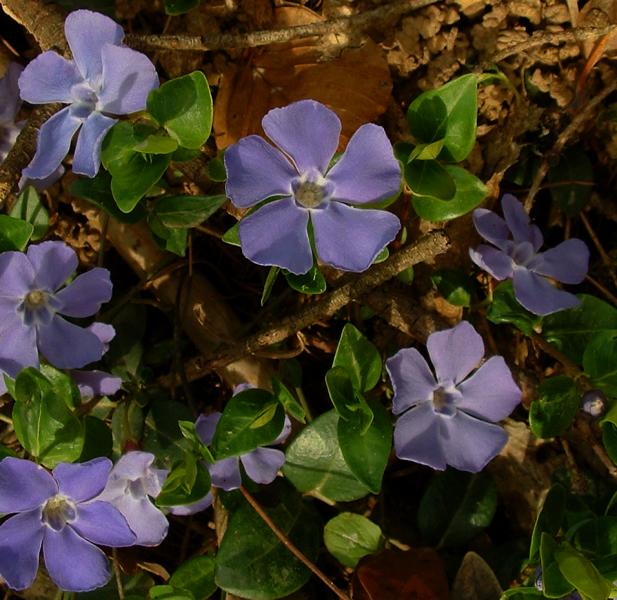
Wikimedia Commons / CC BY-SA
Parts Used
Leaf
Therapeutic Uses
Cerebrovascular insufficiency, cognitive decline, tinnitus, vertigo, poor cerebral circulation, memory improvement. Vincamine and vinpocetine (semi-synthetic derivative) widely used in European medicine for cerebrovascular conditions.
Herbal Actions
Cerebral vasodilator, cognitive enhancer, antihypertensive, astringent
Active Constituents
Alkaloids (vincamine — primary, vinpocetine derivative, reserpine-related compounds), tannins, flavonoids
Preparation Methods
🏺 Tincture💊 Capsule☕ Herbal Tea
Traditional Preparation Notes
| Herbal Tea | 0.5 tsp dried leaf per 250ml, steep 10 min, 2x daily — low dose herb |
| Tincture | 1–2 ml (1:5, 40% ethanol), 2–3x daily |
| Notes | Vinpocetine (semi-synthetic) more studied than vincamine — 5–10mg 3x daily. Vincamine: 15–30mg daily. Used in Eastern European medicine as standard treatment for cognitive decline. Improves cerebral blood flow. |
Safety Information
Safety Rating
⚠ Use with Caution
Pregnancy
Avoid in Pregnancy
Drug Interactions
Possible — consult doctor
Contraindications: Avoid in pregnancy. Caution with antihypertensives and anticoagulants. Avoid in severe kidney disease.
Side Effects: Nausea, GI upset, headache, hypotension. Rare arrhythmia at high doses. Tachycardia.