Asteraceae
Knapweed
Centaurea scabiosa
✓ Generally Safe
Caution in Pregnancy
Native to: Europe, Western Asia
Also known as: Greater Knapweed, Hardheads, Ironweed
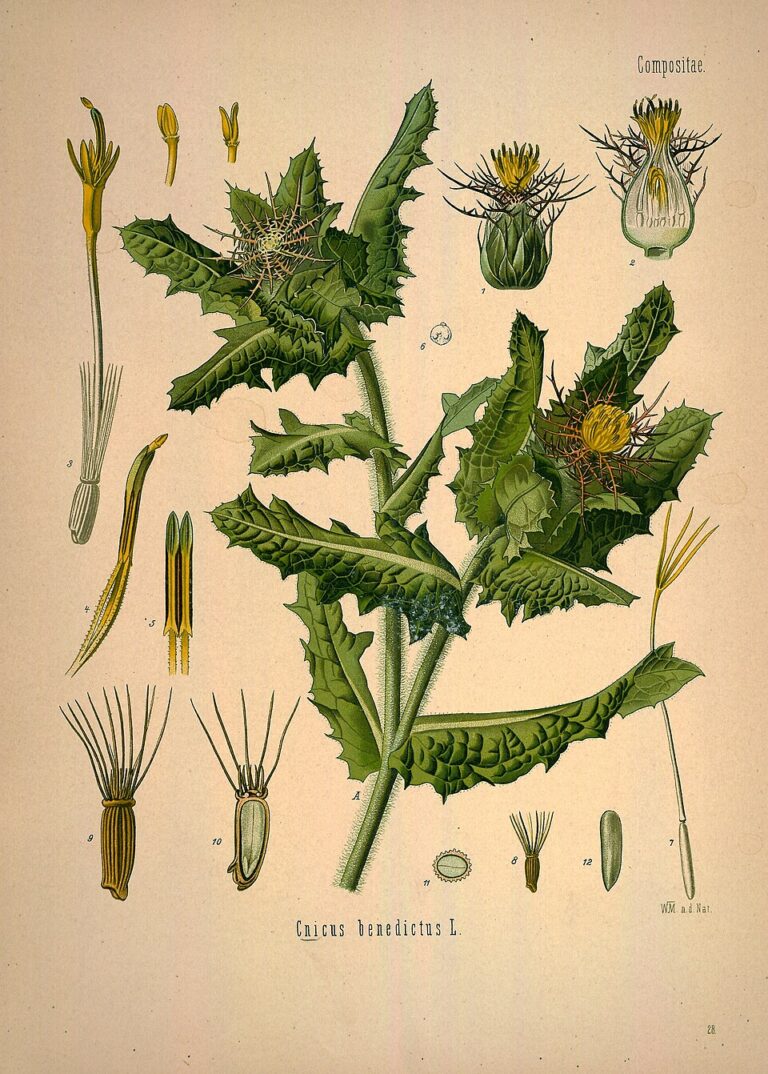
Wikimedia Commons / CC BY-SA
Parts Used
FlowerRoot
Therapeutic Uses
Digestive complaints (bitter tonic), urinary conditions, wound healing (topical), skin conditions. Traditional hedgerow medicine — ornamental medicinal plant.
Herbal Actions
Astringent, bitter tonic, diuretic, anti-inflammatory, wound healing
Active Constituents
Sesquiterpene lactones (centaureidin, repin), flavonoids (luteolin, apigenin), chlorogenic acid, caffeic acid derivatives, tannins
Preparation Methods
☕ Herbal Tea🏺 Tincture
Traditional Preparation Notes
| Herbal Tea | 2 tsp dried flower per 250ml, steep 10 min, 3x daily |
| Tincture | 2–4 ml (1:5, 25% ethanol), 3x daily |
| Notes | Traditional British hedgerow herb. Contact sensitisation risk from sesquiterpene lactones. Combine with centaury and gentian for digestive bitter formula. |
Safety Information
Safety Rating
✓ Generally Safe
Pregnancy
Caution in Pregnancy
Drug Interactions
None known
Contraindications: Asteraceae allergy (sensitisation risk). Avoid in pregnancy. Generally safe.
Side Effects: Contact dermatitis. GI upset. Very well tolerated internally.