Rosaceae
Hawthorn
Crataegus monogyna
✓ Generally Safe
Consult Doctor
Native to: Europe, North Africa, Western Asia
Also known as: Common Hawthorn, May Blossom, Quickthorn, Whitethorn
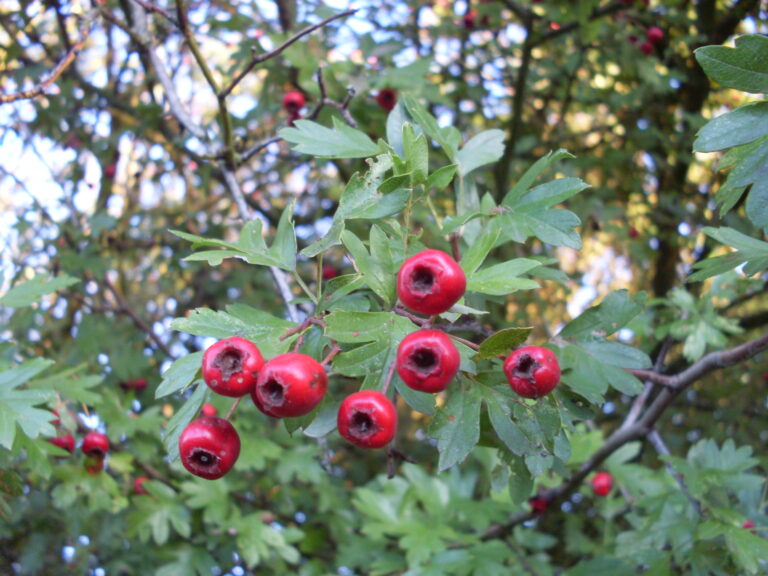
Wikimedia Commons / CC BY-SA
Parts Used
BerryFlowerLeaf
Therapeutic Uses
Congestive heart failure (NYHA Class I–III), hypertension, atherosclerosis, cardiac arrhythmias, angina pectoris. SPICE trial and multiple meta-analyses confirm cardiovascular benefit.
Herbal Actions
Cardiotonic, vasodilator, antioxidant, anti-inflammatory, antiarrhythmic, mild hypotensive, nervine
Active Constituents
Oligomeric procyanidins (OPCs), flavonoids (vitexin, quercetin, hyperoside, rutin), triterpenic acids (oleanolic, ursolic, crataegolic)
Preparation Methods
☕ Herbal Tea🏺 Tincture💊 Capsule
Traditional Preparation Notes
| Herbal Tea | 1–2 tsp dried berries/flowers per 250ml, steep 15 min, 2–3x daily |
| Tincture | 4–6 ml (1:5, 45% ethanol), 3x daily |
| Notes | Effects require 6–8 weeks. Standard extract: 160–1800mg (standardized to 2–3% vitexin or 18.75% OPCs) daily. Should not replace conventional cardiac treatment — use adjunctively. |
Safety Information
Safety Rating
✓ Generally Safe
Pregnancy
Consult Doctor
Drug Interactions
⚠ Known interactions
Contraindications: Potentiates digitalis (digoxin) — use with extreme caution. May interact with other cardiac medications, antihypertensives, CNS depressants. Not a replacement for cardiac drugs.
Side Effects: Mild GI upset, nausea, palpitations at high doses. Rare dizziness. Generally extremely well-tolerated long-term.