
Asteraceae
Gravel Root
Eupatorium purpureum
⚠ Use with Caution
Avoid in Pregnancy
Native to: Eastern North America
Also known as: Joe Pye Weed, Purple Boneset, Queen of the Meadow Root, Kidney Root
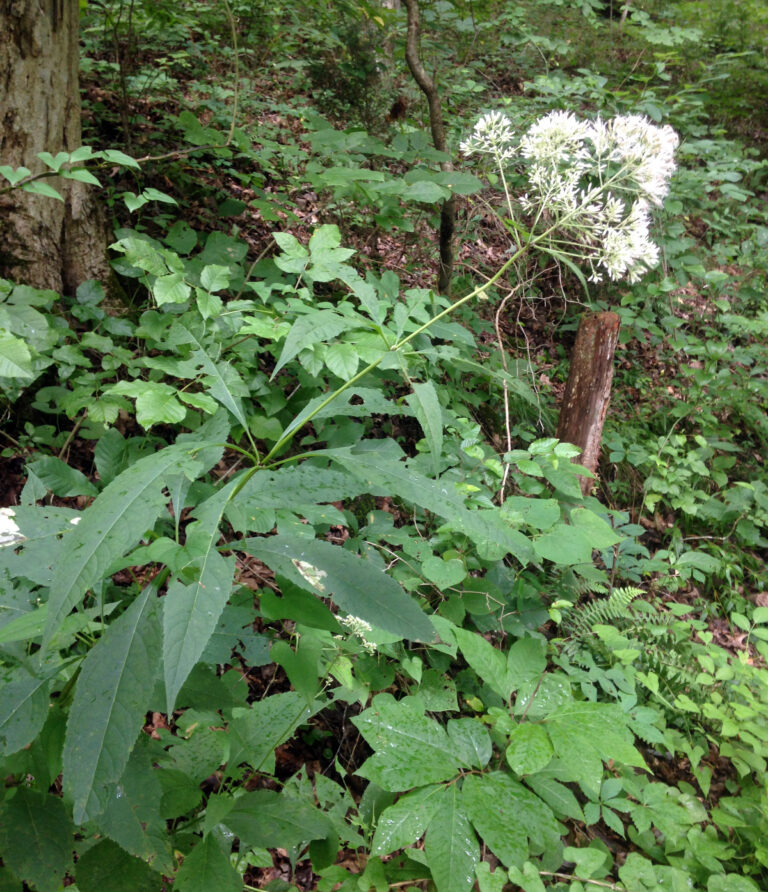
Wikimedia Commons / CC BY-SA
Parts Used
Root
Therapeutic Uses
Kidney and urinary gravel, kidney stones (calcium oxalate prevention), urinary tract infections, prostatitis, benign prostatic hyperplasia, gout (uric acid). Premier herb for kidney stone prevention.
Herbal Actions
Diuretic, urinary tonic, antilithic (prevents kidney stones), anti-inflammatory, antispasmodic
Active Constituents
Flavonoids (euparin), volatile oil, resin, eupurpurin, inulin, diterpene acids
Preparation Methods
🍵 Decoction🏺 Tincture
Traditional Preparation Notes
| Herbal Tea | 1–2 tsp dried root per 250ml, simmer 20 min, 3x daily with high fluid intake |
| Tincture | 3–5 ml (1:5, 40% ethanol), 3x daily |
| Notes | Essential to drink high volumes of fluid with this herb. For kidney stone prevention: long-term use (months). Combine with hydrangea root and stone root for comprehensive kidney stone protocol. |
Safety Information
Safety Rating
⚠ Use with Caution
Pregnancy
Avoid in Pregnancy
Drug Interactions
None known
Contraindications: Contains trace pyrrolizidine alkaloids — avoid long-term use and in pregnancy. Avoid in liver disease. Do not use in acute kidney disease.
Side Effects: PA content — liver toxicity with prolonged use. GI upset. Generally safe in short-term therapeutic courses.