Ranunculaceae
Goldenseal
Hydrastis canadensis
⚠ Use with Caution
Avoid in Pregnancy
Native to: Eastern North America
Also known as: Yellow Root, Ground Raspberry, Eye Root
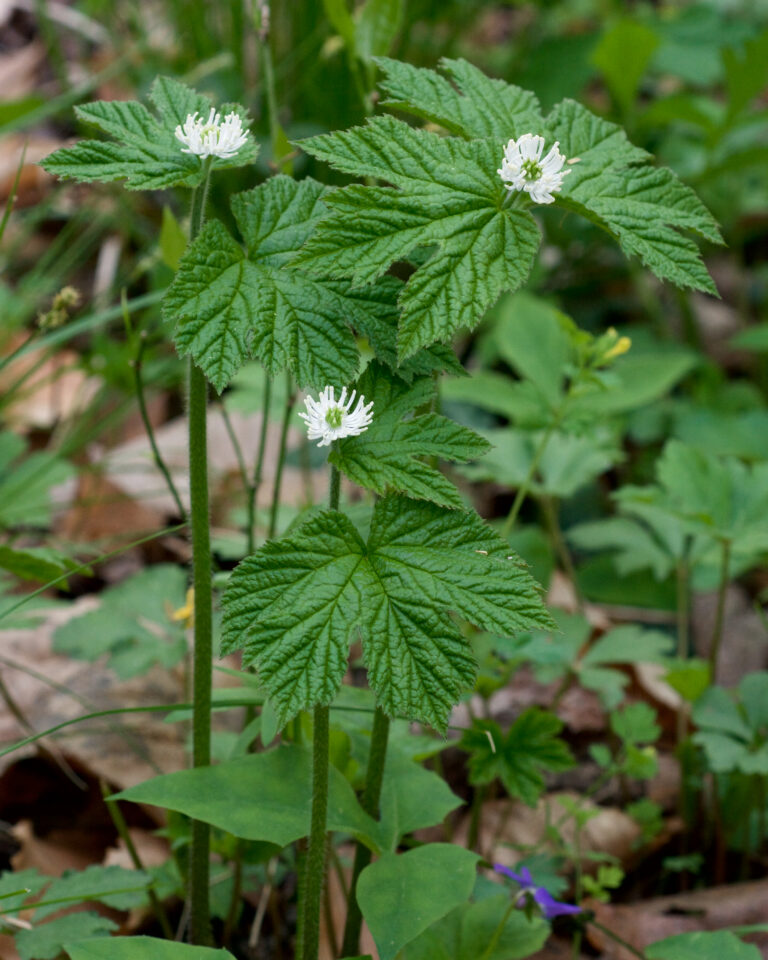
Wikimedia Commons / CC BY-SA
Parts Used
Root
Therapeutic Uses
Upper respiratory infections (mucous membrane inflammation), UTIs, GI infections, oral infections (mouthwash), skin infections (topical), antibiotic-resistant infections (berberine). Often combined with echinacea for acute infections.
Herbal Actions
Antimicrobial, antifungal, anti-inflammatory, bitter tonic, astringent, immunostimulant, hypoglycemic
Active Constituents
Isoquinoline alkaloids: berberine (2–4%), hydrastine, canadine (tetrahydroberberine), berberastine
Preparation Methods
🏺 Tincture💊 Capsule☕ Herbal Tea
Traditional Preparation Notes
| Herbal Tea | 0.5 tsp dried root per 250ml, steep 10 min, 3x daily — very bitter |
| Tincture | 2–4 ml (1:5, 60% ethanol), 3x daily for acute illness |
| Notes | Use short-term only (max 3 weeks) — can disrupt gut flora with prolonged use. Endangered species — use organically cultivated sources only. Berberine supplements may be more sustainable alternative. |
Safety Information
Safety Rating
⚠ Use with Caution
Pregnancy
Avoid in Pregnancy
Drug Interactions
⚠ Known interactions
Contraindications: Contraindicated in pregnancy (uterotonic — can induce labor). Avoid in neonates (displaces bilirubin). Caution with CYP3A4 substrates, metformin, cyclosporine, digoxin.
Side Effects: GI upset, nausea at high doses. Bright yellow staining of mucous membranes. Headache. Skin irritation (topical). May cause neonatal jaundice if used in pregnancy.