Zingiberaceae
Galangal
Alpinia galanga
✓ Generally Safe
Caution in Pregnancy
Native to: Southeast Asia, Indonesia, China
Also known as: Greater Galangal, Thai Ginger, Siamese Ginger, Blue Ginger
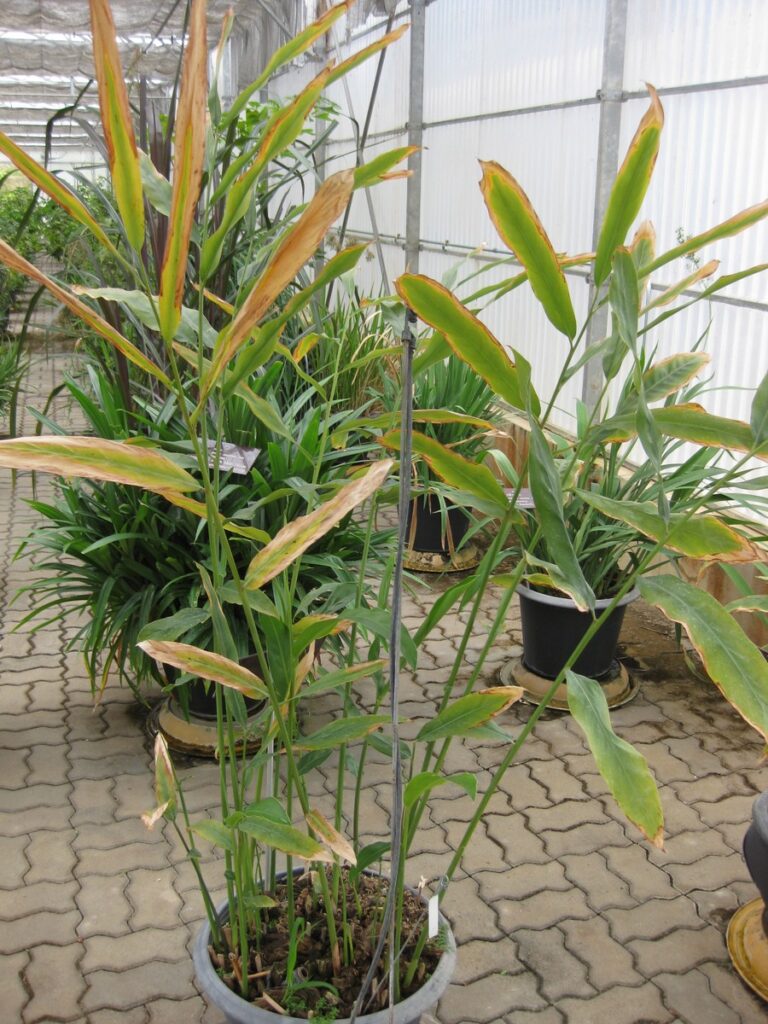
Wikimedia Commons / CC BY-SA
Parts Used
Root
Therapeutic Uses
Digestive complaints (nausea, flatulence, dyspepsia), respiratory infections, arthritis, fungal infections. Traditional Ayurvedic and Southeast Asian medicine. Acetoxychavicol acetate has potent antimicrobial and anti-cancer properties.
Herbal Actions
Carminative, antispasmodic, anti-inflammatory, antimicrobial, antifungal, immunomodulator
Active Constituents
Volatile oil (1,8-cineole, β-pinene), diarylheptanoids (galangin, galangal acetate), flavonoids (galangin, kaempferol), phenylpropanoids (acetoxychavicol acetate)
Preparation Methods
☕ Herbal Tea🏺 Tincture🍵 Decoction
Traditional Preparation Notes
| Herbal Tea | 1 tsp fresh grated or dried root per 250ml, steep 10 min, 3x daily |
| Tincture | 2–4 ml (1:5, 45% ethanol), 3x daily |
| Notes | Similar to ginger in use but different flavour and constituent profile. Widely used as a culinary spice in Thai and Indonesian cooking. Fresh root more potent than dried. |
Safety Information
Safety Rating
✓ Generally Safe
Pregnancy
Caution in Pregnancy
Drug Interactions
None known
Contraindications: Avoid high doses in pregnancy. Few contraindications at culinary/low medicinal doses.
Side Effects: Mild GI irritation at high doses. Allergic reactions possible. Generally very well tolerated.