Brassicaceae
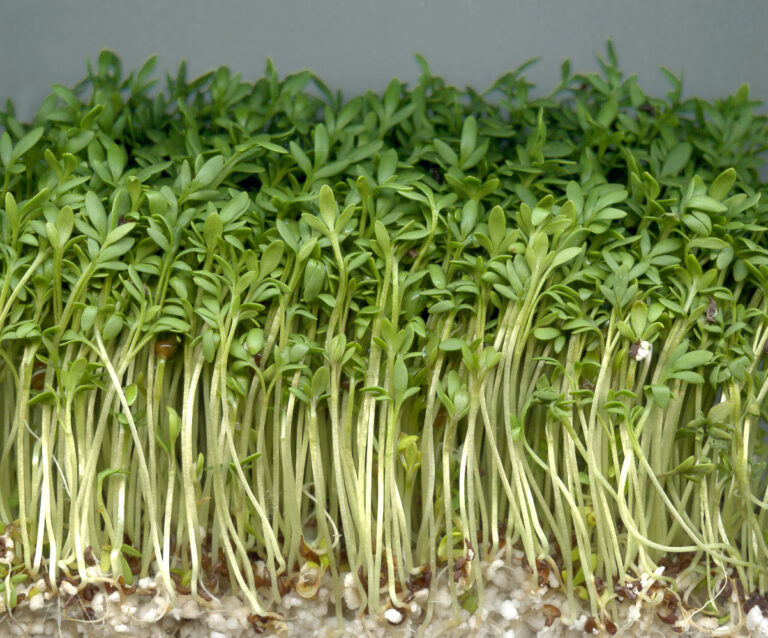
Cress Garden Herb
Lepidium sativum
✓ Generally Safe
Caution in Pregnancy
Native to: Egypt, Western Asia (cultivated globally)
Also known as: Garden Cress, Pepper Grass, Pepperwort, Garden Pepper Cress
Wikimedia Commons / CC BY-SA
Parts Used
Aerial partsSeed
Therapeutic Uses
Respiratory infections (expectorant), nutritional supplementation (iron, vitamin C), UTI support, scurvy prevention. Nutritious sprouted culinary medicine.
Herbal Actions
Expectorant, diuretic, antiscorbutic, antifungal, anti-inflammatory, nutritive
Active Constituents
Glucosinolates (glucotropaeolin — isothiocyanate releasing), flavonoids, vitamins C and K, calcium, iron, alkaloids (lepidine trace)
Preparation Methods
Food☕ Herbal TeaJuice
Traditional Preparation Notes
| Herbal Tea | Large handful fresh cress per 250ml, cold infusion 5 min, 2–3x daily |
| Tincture | Fresh juice: 30ml 2–3x daily. As food daily. |
| Notes | One of fastest sprouting plants — 3 days to harvest sprouts. Daily use as food medicine. Iron-rich spring tonic. Traditional Persian seed diuretic tea. Germinate seeds on damp paper towel. |
Safety Information
Safety Rating
✓ Generally Safe
Pregnancy
Caution in Pregnancy
Drug Interactions
Possible — consult doctor
Contraindications: Large amounts in pregnancy (glucosinolates). Caution with thyroid (glucosinolates). Warfarin (vitamin K). Generally safe.
Side Effects: GI upset (high doses). Thyroid effects (large amounts). Very safe as food.