
Pinaceae
Colophony
Pinus palustris
⚠ Use with Caution
Caution in Pregnancy
Native to: Southeastern United States
Also known as: Longleaf Pine Resin, Rosin, Gum Turpentine, Naval Stores
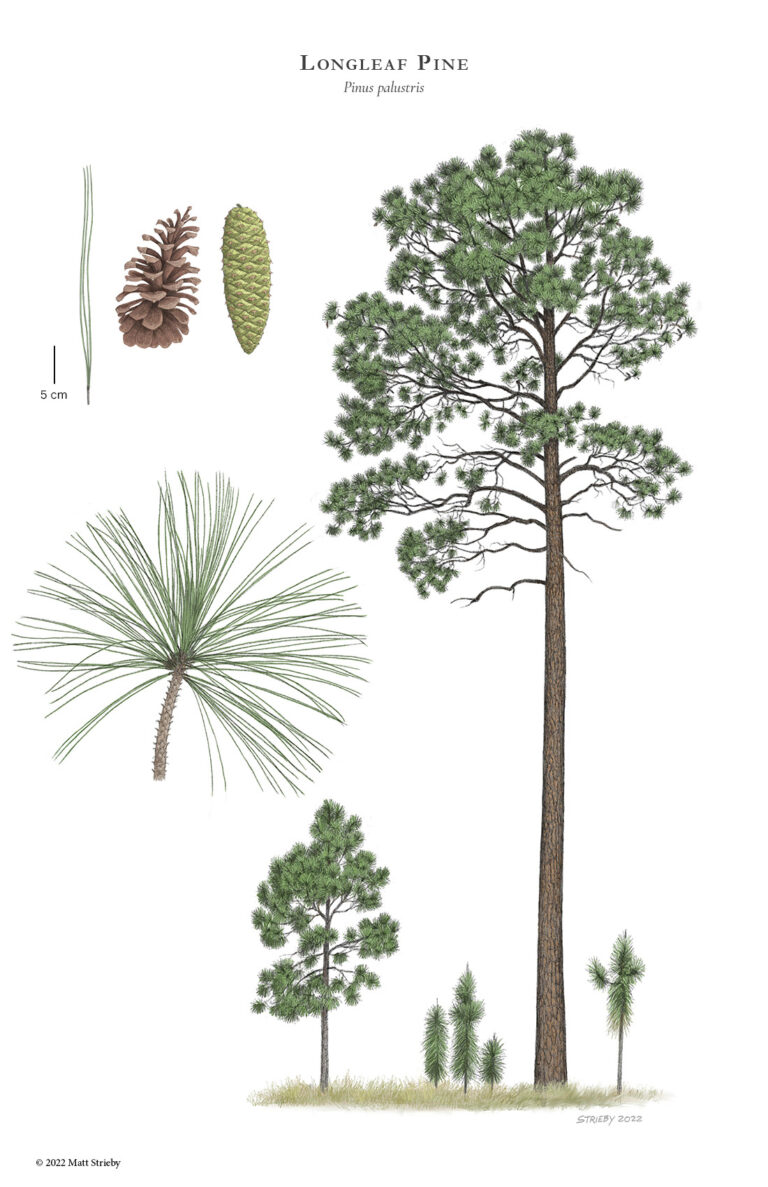
Wikimedia Commons / CC BY-SA
Parts Used
Resin
Therapeutic Uses
Topical antiseptic, wound healing (traditional surgical preparations), skin plasters, rheumatic conditions (topical heat). Largely historical — modern pharmacy uses derivatives.
Herbal Actions
Antiseptic, rubefacient (topical), expectorant (diluted inhalation), antimicrobial
Active Constituents
Abietic acid, levopimaric acid, neoabietic acid, dehydroabietic acid, volatile oils (turpentine — alpha and beta-pinene)
Preparation Methods
🧴 Salve/Balm⚗️ Essential Oil
Traditional Preparation Notes
| Herbal Tea | NOT for internal use — turpentine toxic |
| Tincture | TOPICAL ONLY: in salves at 5–20% for antiseptic/rubefacient effects |
| Notes | Historical use in wound care and plasters. Turpentine (volatile fraction): DO NOT ingest — renal and CNS toxicity. Rosin (non-volatile): in topical preparations, string instrument bowing rosin, adhesive plasters. Contact allergen — patch test. |
Safety Information
Safety Rating
⚠ Use with Caution
Pregnancy
Caution in Pregnancy
Drug Interactions
None known
Contraindications: Turpentine: toxic if swallowed. Contact sensitizer — high prevalence of rosin allergy. Avoid on broken skin in sensitive individuals.
Side Effects: Contact dermatitis (rosin allergy — common). Turpentine inhalation: mucosal irritation. Internal turpentine: nephrotoxicity, CNS damage, death.