Apiaceae
Celery Seed
Apium graveolens
✓ Generally Safe
Avoid in Pregnancy
Native to: Mediterranean, Middle East
Also known as: Wild Celery, Smallage, Ajmoda
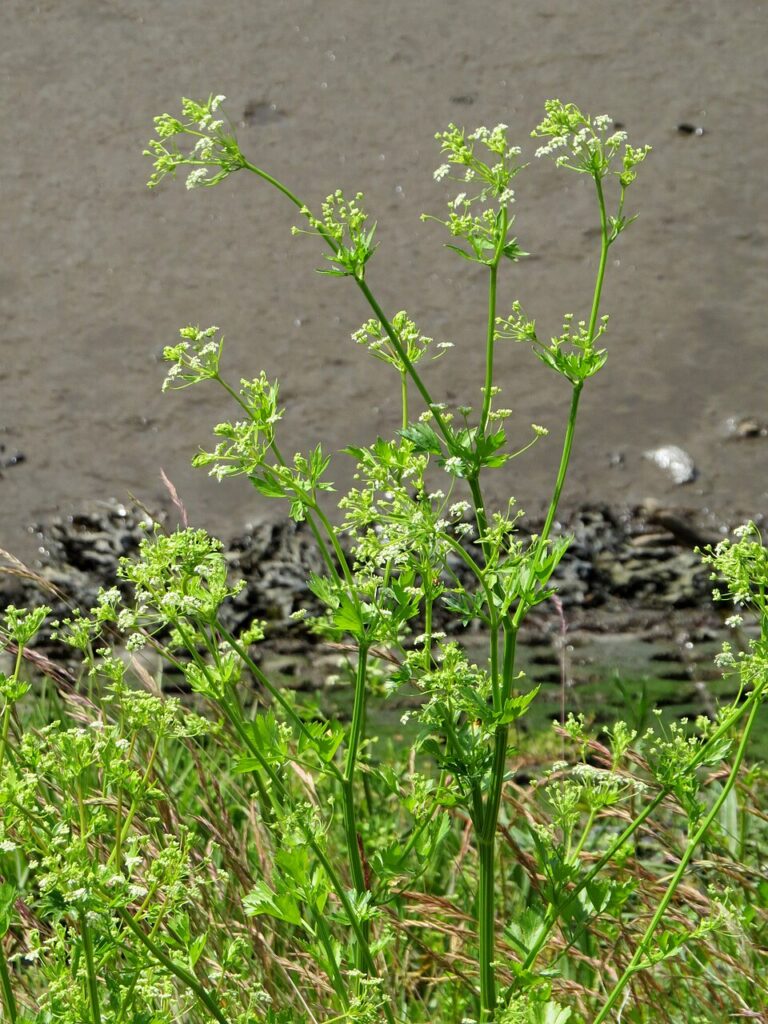
Wikimedia Commons / CC BY-SA
Parts Used
Seed
Therapeutic Uses
Gout (uric acid reduction — clinical evidence), hypertension, urinary tract infections, rheumatic conditions, digestive complaints, anxiety. Phthalides specifically reduce blood pressure and uric acid levels.
Herbal Actions
Diuretic, anti-inflammatory, carminative, antihypertensive, uricosuric, sedative
Active Constituents
Volatile oil (limonene, selinene, phthalides: 3-n-butylphthalide, sedanolide), flavonoids (apigenin, luteolin), furanocoumarins, fixed oil
Preparation Methods
🏺 Tincture💊 Capsule☕ Herbal Tea
Traditional Preparation Notes
| Herbal Tea | 1 tsp crushed seeds per 250ml, steep 10 min, 3x daily |
| Tincture | 2–4 ml (1:5, 60% ethanol), 3x daily |
| Notes | For gout: standardized extract (85% 3-n-butylphthalide) 75mg 2x daily — multiple clinical trials confirm uric acid reduction. Combine with high fluid intake. Take with food. |
Safety Information
Safety Rating
✓ Generally Safe
Pregnancy
Avoid in Pregnancy
Drug Interactions
Possible — consult doctor
Contraindications: Avoid in pregnancy (strong uterine stimulant). Avoid in kidney inflammation (diuretic + anti-inflammatory may conflict). Furanocoumarins: photosensitivity.
Side Effects: Photosensitivity. GI upset. Allergic reactions (cross-react with birch pollen). Diuretic effect.