Apiaceae
Brahmi
Centella asiatica
✓ Generally Safe
Caution in Pregnancy
Native to: Tropical Asia, India, Africa
Also known as: Gotu Kola, Centella, Asiatic Pennywort, Tiger Herb
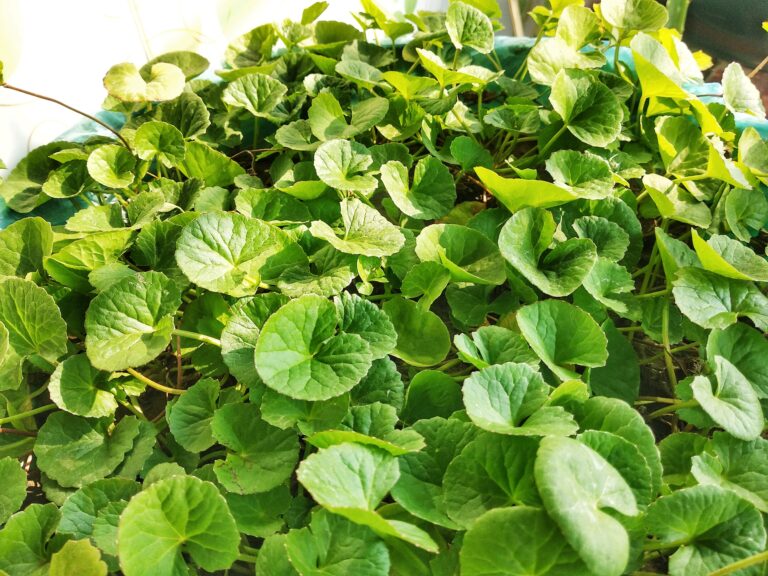
Wikimedia Commons / CC BY-SA
Parts Used
Leaf
Therapeutic Uses
Wound healing and scar prevention (keloids, burns, stretch marks — clinical evidence), chronic venous insufficiency, anxiety, cognitive enhancement, leprosy (traditional), skin aging. Asiaticoside stimulates collagen synthesis.
Herbal Actions
Nootropic, wound healer, adaptogen, anti-inflammatory, venous tonic, anxiolytic
Active Constituents
Triterpenoid saponins (asiaticoside, madecassoside, asiatic acid, madecassic acid), flavonoids (quercetin, kaempferol), volatile oils
Preparation Methods
💊 Capsule🏺 Tincture☕ Herbal Tea
Traditional Preparation Notes
| Herbal Tea | 2 tsp fresh or 1 tsp dried leaf per 250ml, steep 10 min, 2–3x daily |
| Tincture | 3–5 ml (1:5, 40% ethanol), 2–3x daily |
| Notes | Standardized extract (40% asiaticosides): 60–120mg 2x daily. For wound healing: apply cream with 1% asiaticoside topically. Distinguish from Bacopa monnieri (also called Brahmi in India — different plant). |
Safety Information
Safety Rating
✓ Generally Safe
Pregnancy
Caution in Pregnancy
Drug Interactions
Possible — consult doctor
Contraindications: Avoid in pregnancy (emmenagogue). May cause photosensitivity. Caution with sedatives. Avoid with anticoagulants.
Side Effects: Photosensitivity. Headache, stomach upset. Drowsiness at high doses. Rare hepatotoxicity with very high doses. Contact dermatitis.