Asteraceae
Blessed Thistle
Cnicus benedictus
✓ Generally Safe
Caution in Pregnancy
Native to: Mediterranean, Southwest Asia
Also known as: Holy Thistle, St. Benedict's Thistle, Spotted Thistle
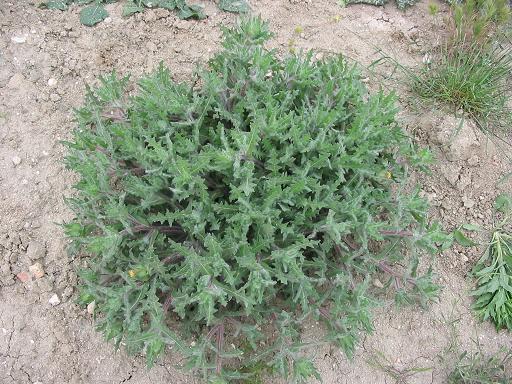
Wikimedia Commons / CC BY-SA
Parts Used
LeafFlower
Therapeutic Uses
Loss of appetite, dyspepsia, liver and gallbladder sluggishness, insufficient breast milk (galactagogue — combined with fenugreek), digestive infections, menstrual irregularities.
Herbal Actions
Bitter tonic, cholagogue, galactagogue, anti-inflammatory, antimicrobial, emmenagogue
Active Constituents
Sesquiterpene lactones (cnicin — primary bitter), tannins, flavonoids, volatile oils, mucilage
Preparation Methods
☕ Herbal Tea🏺 Tincture
Traditional Preparation Notes
| Herbal Tea | 1–2 tsp dried herb per 250ml, steep 10 min — very bitter, 3x daily before meals |
| Tincture | 2–4 ml (1:5, 40% ethanol), 3x daily |
| Notes | Bitter must be tasted to work. For lactation: combine with fenugreek and nettle. Classic ingredient in digestive bitters formulas (Benedictine liqueur based on this herb). |
Safety Information
Safety Rating
✓ Generally Safe
Pregnancy
Caution in Pregnancy
Drug Interactions
None known
Contraindications: Avoid in pregnancy (emmenagogue). Avoid in Asteraceae allergy. GI irritation at high doses.
Side Effects: Nausea at high doses. Contact dermatitis. Very well tolerated at appropriate doses.