Rosaceae
Blackberry Leaf
Rubus fruticosus
✓ Generally Safe
Safe in Pregnancy
Native to: Europe, Western Asia (naturalized globally)
Also known as: Common Blackberry Leaf, Bramble Leaf, Goutberry
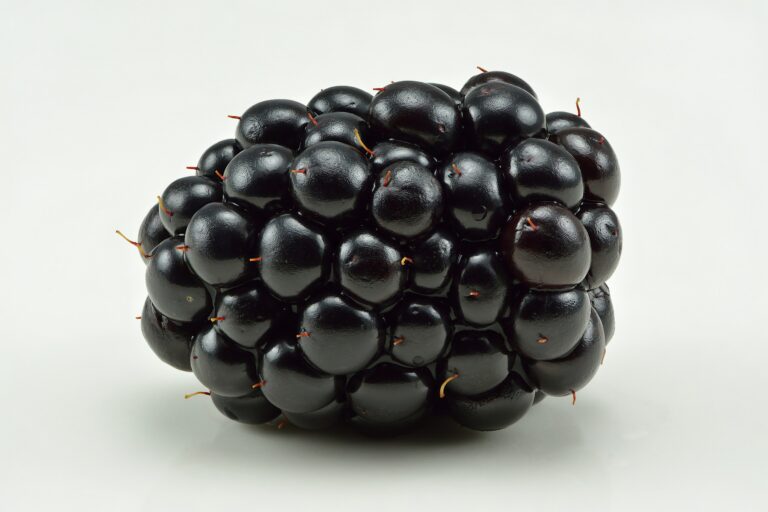
Wikimedia Commons / CC BY-SA
Parts Used
Leaf
Therapeutic Uses
Diarrhea, dysentery (astringent), sore throat (gargle), mouth ulcers, eczema (topical wash), hemorrhoids, colitis, nutritive (berries — high antioxidants).
Herbal Actions
Astringent, anti-inflammatory, antidiarrheal, antimicrobial, antioxidant, nutritive (berries)
Active Constituents
Tannins (gallotannins, ellagitannins — 15%), flavonoids (quercetin, kaempferol, rutin), phenolic acids (ellagic acid, chlorogenic acid), vitamins C and E
Preparation Methods
☕ Herbal Tea🏺 Tincture
Traditional Preparation Notes
| Herbal Tea | 2 tsp dried leaf per 250ml, steep 15 min, 3x daily |
| Tincture | 2–4 ml (1:5, 25% ethanol), 3x daily |
| Notes | Young leaves (spring) most astringent and medicinal. Strong tea for gargling sore throats. Berries: highest ellagic acid content of common fruits — potent antioxidant and chemopreventive. Combine with agrimony and plantain for diarrhea. |
Safety Information
Safety Rating
✓ Generally Safe
Pregnancy
Safe in Pregnancy
Drug Interactions
Possible — consult doctor
Contraindications: Tannins reduce mineral absorption — take away from supplements. Constipation at excessive doses. Otherwise very safe.
Side Effects: Constipation (high tannin). Reduced iron absorption. Very well tolerated.