
Rubiaceae
Ipecac Herb
Carapichea ipecacuanha
✗ High Risk
Avoid in Pregnancy
Native to: Brazil, Bolivia, Colombia
Also known as: Ipecacuanha Root, Ipecac, Rio Ipecac
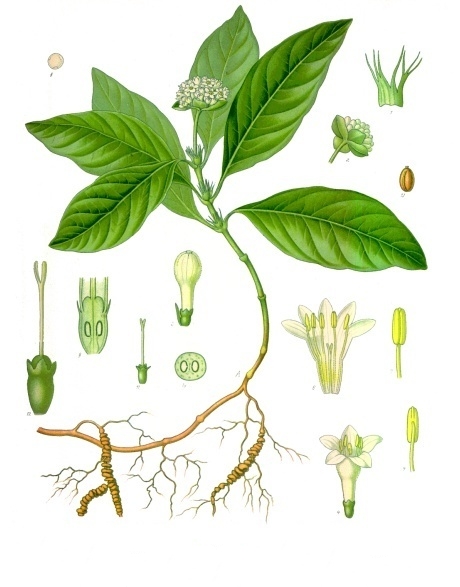
Wikimedia Commons / CC BY-SA
Parts Used
Root
Therapeutic Uses
SUB-EMETIC DOSE: productive cough (expectorant — traditional). MEDICAL USE: syrup of ipecac for poisoning (now largely obsolete — not recommended by poison centres). Emetine injectable for amoebic dysentery.
Herbal Actions
Emetic, expectorant (sub-emetic dose), amoebicidal (emetine)
Active Constituents
Isoquinoline alkaloids (emetine — primary emetic, cephaeline, psychotrine)
Preparation Methods
🏺 Tincture
Traditional Preparation Notes
| Herbal Tea | NOT recommended — difficult to control dose |
| Tincture | Sub-emetic: 0.1–0.3 ml (1:20, 60% ethanol), 3x daily for expectorant only |
| Notes | Syrup of ipecac: NO LONGER recommended by poison centres (may worsen outcomes). Sub-emetic dose for cough (0.1–0.3 ml) traditional. Emetine pharmaceutical for amoebic dysentery. Homeopathic Ipecacuanha safe for nausea. |
Safety Information
Safety Rating
✗ High Risk
Pregnancy
Avoid in Pregnancy
Drug Interactions
None known
Contraindications: HIGH RISK for emetic use. Sub-emetic for cough only under guidance. Pregnancy. Do NOT use as poison antidote without poison centre guidance.
Side Effects: Vomiting (intended at emetic dose). Cardiac toxicity (emetine — prolonged). Muscle weakness.