Rubiaceae
Coffee Herb
Coffea arabica
✓ Generally Safe
Caution in Pregnancy
Native to: Ethiopia, Sudan (cultivated tropics)
Also known as: Arabica Coffee Herb, Coffee Plant Leaf
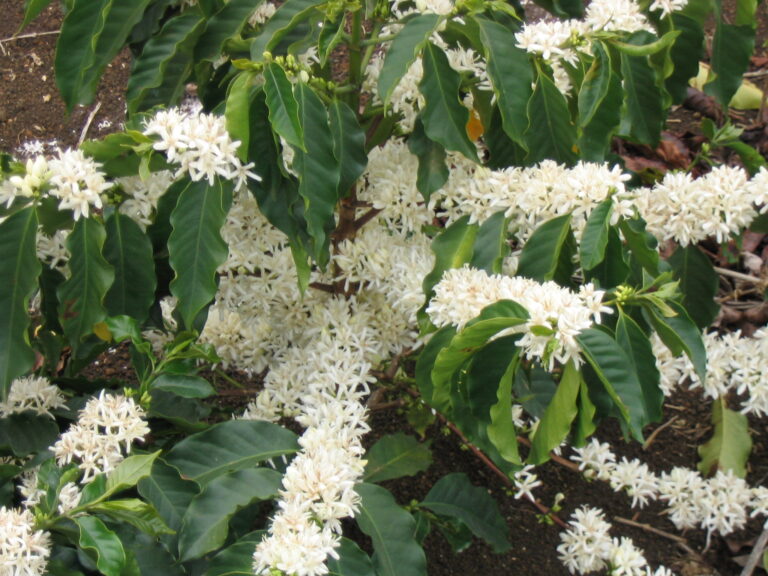
Wikimedia Commons / CC BY-SA
Parts Used
LeafFruit
Therapeutic Uses
Fatigue, type 2 diabetes (CGA — reduces post-meal glucose), cardiovascular protection. Coffee leaf tea: traditional in Ethiopia and Yemen ('Qishr') — lower caffeine than bean.
Herbal Actions
Stimulant (caffeine), antioxidant (CGA — superior to green tea per gram), antidiabetic (CGA), antihypertensive (moderate), neuroprotective
Active Constituents
Caffeine (in leaf and bean), chlorogenic acids (CGA — primary therapeutic in leaf 4–7% — antioxidant, antidiabetic), mangiferin, hydroxybenzoic acids, polyphenols
Preparation Methods
☕ Herbal Tea
Traditional Preparation Notes
| Herbal Tea | 1–2 tsp dried leaf per 250ml, steep 5 min, 1–3 cups daily — mild, tea-like flavour |
| Tincture | N/A — leaf tea primary form |
| Notes | Coffee leaf tea: lower caffeine than coffee bean (200mg vs 400mg per cup approx). Higher CGA (antidiabetic) than bean. Traditional Ethiopian 'Kuti' drink. Distinct grassy-tea flavour. |
Safety Information
Safety Rating
✓ Generally Safe
Pregnancy
Caution in Pregnancy
Drug Interactions
Possible — consult doctor
Contraindications: Caffeine. Same precautions as coffee. Pregnancy (caffeine). MAOIs.
Side Effects: Caffeine effects (insomnia, anxiety, tachycardia). Less intense than coffee bean. Iron absorption reduction.