
Solanaceae
Chilies Herb
Capsicum frutescens
⚠ Use with Caution
Caution in Pregnancy
Native to: Central and South America
Also known as: Cayenne Pepper, Chili Pepper, Bird Pepper, Tabasco Pepper
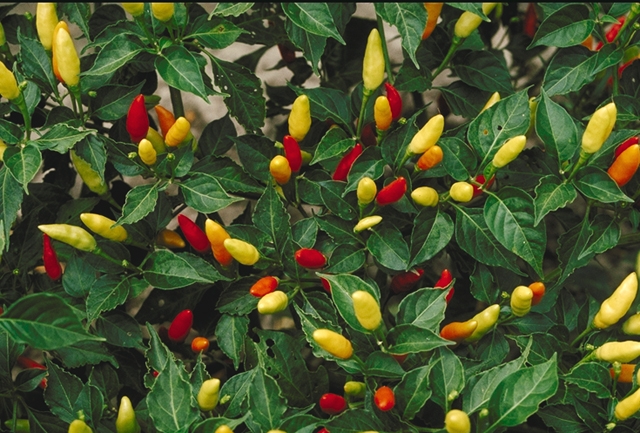
Wikimedia Commons / CC BY-SA
Parts Used
Fruit
Therapeutic Uses
Neuropathic pain (topical capsaicin 0.025–0.075% cream — FDA approved for postherpetic neuralgia, diabetic neuropathy), cluster headaches (intranasal), Raynaud's, metabolic syndrome.
Herbal Actions
Topical analgesic (capsaicin — depletes substance P), thermogenic, circulatory stimulant, carminative, antifungal
Active Constituents
Capsaicin (0.5–1% — primary, TRPV1 agonist — topical analgesic, thermogenic), capsaicinoids, carotenoids (capsanthin, capsorubin, beta-carotene), vitamin C, flavonoids
Preparation Methods
💊 Capsule🏺 Tincture🧴 Salve/Balm⚗️ Essential Oil
Traditional Preparation Notes
| Herbal Tea | Pinch of cayenne in warm water, 2x daily (warming circulatory) |
| Tincture | Topical: 0.025–0.075% capsaicin cream 3–4x daily. Internal: 1–2 ml tincture (1:10), 3x daily. |
| Notes | Topical: burns on first use (substance P depletion) — warn patients. Wear gloves when applying. For internal circulatory use: small amounts. NEVER apply topical capsaicin near eyes or mucous membranes. |
Safety Information
Safety Rating
⚠ Use with Caution
Pregnancy
Caution in Pregnancy
Drug Interactions
Possible — consult doctor
Contraindications: TOPICAL: avoid eyes, mucous membranes. Do not bandage topical application. Pregnancy (avoid therapeutic doses). GI ulcer. Anticoagulants.
Side Effects: Burning sensation (topical — intended, temporary). Skin irritation. GI burning. Eye damage (contact). Cough (airborne). Very safe internally at low doses.