
Polygonaceae
Japanese Knotweed
Reynoutria japonica
⚠ Use with Caution
Avoid in Pregnancy
Native to: Japan, China, Korea (invasive worldwide)
Also known as: Hu Zhang, Tiger Cane, Fleeceflower, Japanese Bamboo
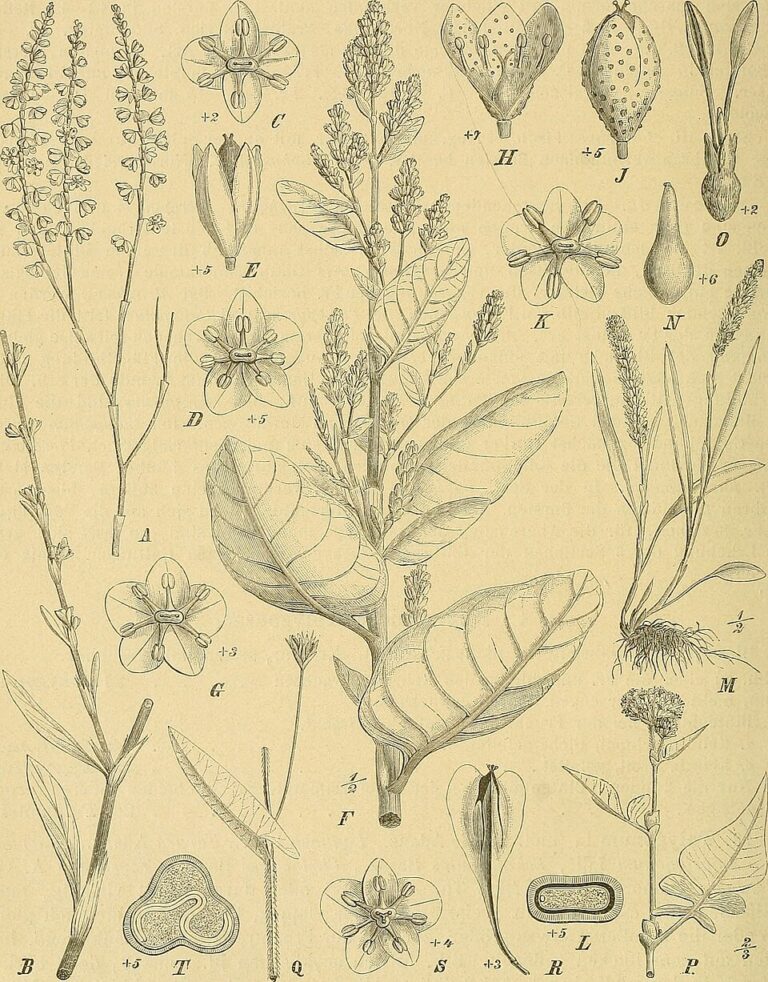
Wikimedia Commons / CC BY-SA
Parts Used
Root
Therapeutic Uses
Cardiovascular protection, anti-aging (resveratrol — SIRT1 activation), Lyme disease adjunct (Buhner protocol — anti-spirochetal), type 2 diabetes, cancer prevention, cognitive decline.
Herbal Actions
Antioxidant (resveratrol — Sirt1 activator, anti-aging), anti-inflammatory, antimicrobial, antiviral, antidiabetic, cardioprotective, antitumor
Active Constituents
Resveratrol (trans-resveratrol — highest natural source after grape skin, 5–25mg/g dry root), emodin (anthraquinone — laxative), piceid (resveratrol glucoside), quercetin, rutin, stilbenes
Preparation Methods
💊 Capsule🏺 Tincture☕ Herbal Tea
Traditional Preparation Notes
| Herbal Tea | 1–2 tsp dried root per 250ml, simmer 15 min, 2x daily |
| Tincture | 3–5 ml (1:5, 60% ethanol), 2–3x daily |
| Notes | Highest natural resveratrol source — more sustainable and concentrated than grape supplements. Trans-resveratrol absorption: poor — liposomal or micronized forms better. For Lyme: 1 tsp tincture 4x daily (Buhner). Invasive weed — ethical to harvest. |
Safety Information
Safety Rating
⚠ Use with Caution
Pregnancy
Avoid in Pregnancy
Drug Interactions
Possible — consult doctor
Contraindications: Emodin content — laxative/liver effects at high doses. Avoid in pregnancy. Caution with anticoagulants and CYP3A4 substrates.
Side Effects: Laxative effect (emodin). GI irritation. Liver effects at high doses. Drug interactions.