Polygonaceae
Sheep Sorrel
Rumex acetosella
✓ Generally Safe
Caution in Pregnancy
Native to: Europe, Asia (naturalized globally)
Also known as: Common Sorrel, Red Sorrel, Sheep's Sorrel, Field Sorrel
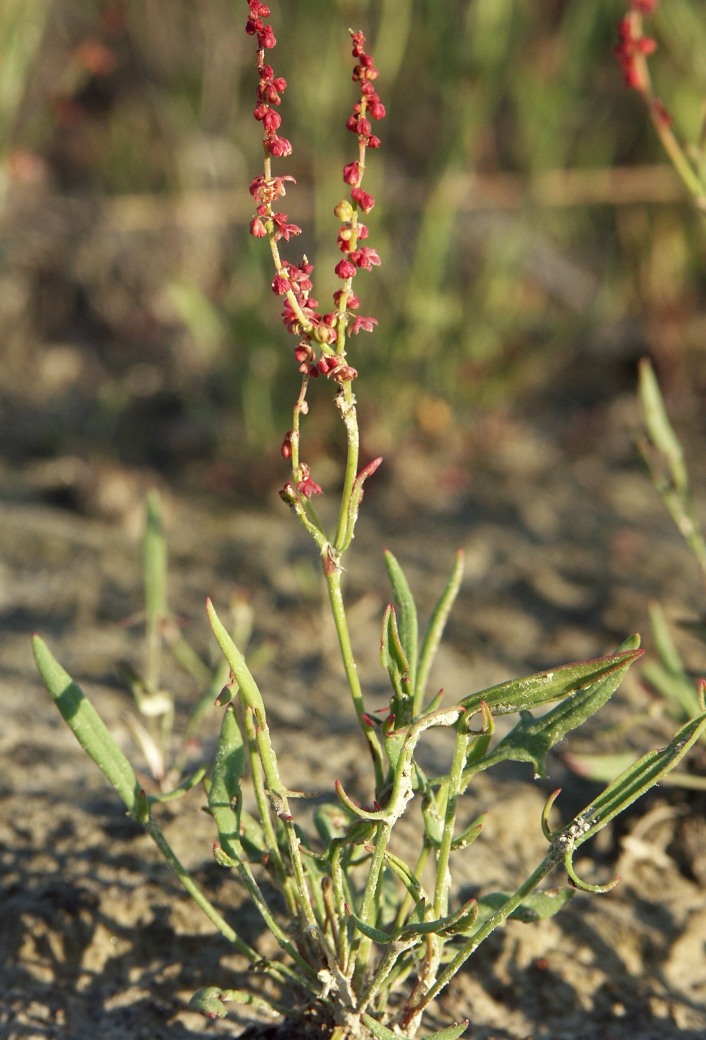
Wikimedia Commons / CC BY-SA
Parts Used
Aerial parts
Therapeutic Uses
Urinary complaints (diuretic), digestive complaints, nutritive (vitamins), traditionally one of Essiac tea herbs (Caisse formula). Primarily culinary herb with mild medicinal action.
Herbal Actions
Diuretic, laxative (mild), anti-inflammatory, nutritive (beta-carotene), antioxidant
Active Constituents
Oxalic acid (as potassium oxalate — sour taste), anthraquinones, flavonoids (quercetin, rutin), vitamins C and A, beta-carotene
Preparation Methods
☕ Herbal Tea🏺 Tincture
Traditional Preparation Notes
| Herbal Tea | 1–2 tsp dried herb per 250ml, steep 10 min, 3x daily — pleasant sour taste |
| Tincture | 2–4 ml (1:5, 25% ethanol), 3x daily |
| Notes | One of 4 herbs in Essiac tea formula (Caisse). Primarily mild diuretic and nutritive. High oxalate — avoid with kidney stones. Fresh leaves edible (sorrel soup). Mild laxative. |
Safety Information
Safety Rating
✓ Generally Safe
Pregnancy
Caution in Pregnancy
Drug Interactions
None known
Contraindications: High oxalate — avoid in kidney stones and kidney disease. Avoid high doses in pregnancy. Otherwise safe.
Side Effects: Oxalate toxicity with excessive intake (kidney stones). GI irritation. Generally safe at culinary/medicinal doses.