Solanaceae
Mandrake
Mandragora officinarum
✗ High Risk
Avoid in Pregnancy
Native to: Mediterranean, Himalayas
Also known as: Common Mandrake, European Mandrake, Devil's Apples, Gallows Man
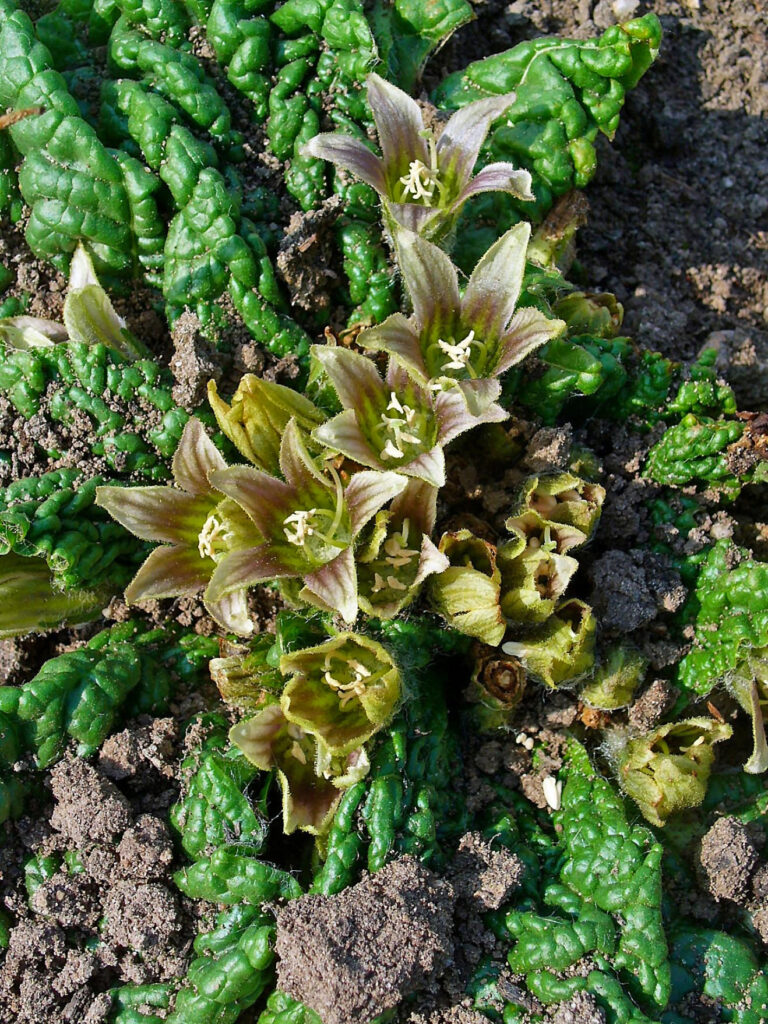
Wikimedia Commons / CC BY-SA
Parts Used
Root
Therapeutic Uses
HISTORICAL ONLY — anesthetic in ancient surgery, pain relief, sleep induction. NOW DANGEROUS AND OBSOLETE — pharmaceutical anticholinergics have replaced this entirely. Documentation only.
Herbal Actions
Anticholinergic, sedative, analgesic (historical), hallucinogenic (toxic doses)
Active Constituents
Tropane alkaloids (hyoscyamine, scopolamine, mandragorine), tannins, flavonoids — very toxic profile
Preparation Methods
🏺 Tincture
Traditional Preparation Notes
| Herbal Tea | DO NOT USE — toxic |
| Tincture | DO NOT USE — toxic alkaloids at unpredictable concentrations |
| Notes | Famous in folklore and mythology. Ancient surgical anesthetic (wine of mandrake). All modern uses superseded by safe pharmaceuticals. Toxic at therapeutic doses. Contact dermatitis from plant handling. Avoid entirely. |
Safety Information
Safety Rating
✗ High Risk
Pregnancy
Avoid in Pregnancy
Drug Interactions
None known
Contraindications: ALL PARTS TOXIC. Anticholinergic crisis. Do not use.
Side Effects: Anticholinergic syndrome: hallucinations, tachycardia, hyperthermia, urinary retention, coma, death.