Amaranthaceae
Epazote
Dysphania ambrosioides
⚠ Use with Caution
Avoid in Pregnancy
Native to: Central and South America
Also known as: Wormseed, Mexican Tea, Jesuit's Tea, Herba Sancti Mariae
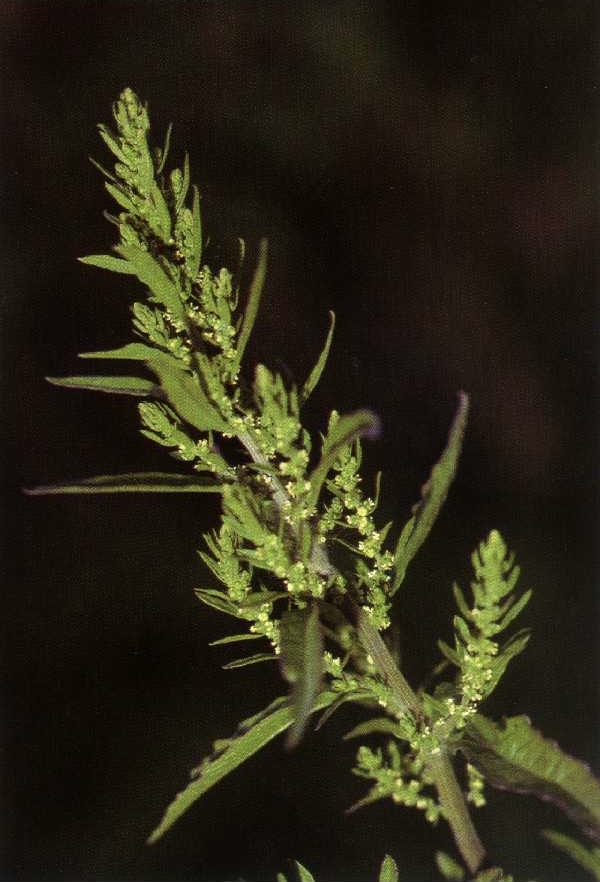
Wikimedia Commons / CC BY-SA
Parts Used
LeafSeed
Therapeutic Uses
Intestinal parasites (ascaridole — highly effective but toxic at therapeutic doses), Candida, malaria (adjunct), digestive complaints (carminative — culinary use safe). Traditional Mexican anthelmintic.
Herbal Actions
Anthelmintic (powerful — roundworm, hookworm, tapeworm), carminative, antifungal, antimalarial
Active Constituents
Ascaridole (primary anthelmintic — a terpene peroxide, 60–70% of seed oil), terpinene, cymene, limonene, flavonoids
Preparation Methods
☕ Herbal Tea💊 Capsule
Traditional Preparation Notes
| Herbal Tea | Culinary use (small amounts in cooking): safe. Therapeutic anthelmintic: PROFESSIONAL GUIDANCE REQUIRED |
| Tincture | Seed oil: TOXIC at anthelmintic doses — not recommended. Safer alternatives (black walnut, wormwood) preferred. |
| Notes | Ascaridole anthelmintic dose is very close to toxic dose. Culinary leaf use safe. Seed oil for parasites: DANGEROUS — many historical deaths from therapeutic use. Use safer anthelmintic herbs (black walnut, wormwood, pumpkin seed) instead. |
Safety Information
Safety Rating
⚠ Use with Caution
Pregnancy
Avoid in Pregnancy
Drug Interactions
None known
Contraindications: Seed oil toxic at anthelmintic doses. Avoid in pregnancy (abortifacient). Avoid in liver and kidney disease. Culinary leaf: safe. Seed oil: avoid.
Side Effects: Seed oil toxicity: vomiting, seizures, liver and kidney damage, respiratory failure, death at therapeutic doses. Leaf culinary use: very safe.