Apiaceae
Dill Weed
Anethum graveolens
✓ Generally Safe
Safe in Pregnancy
Native to: Southwest Asia, Northern Africa
Also known as: Common Dill, Dill Herb, Garden Dill, Sowa
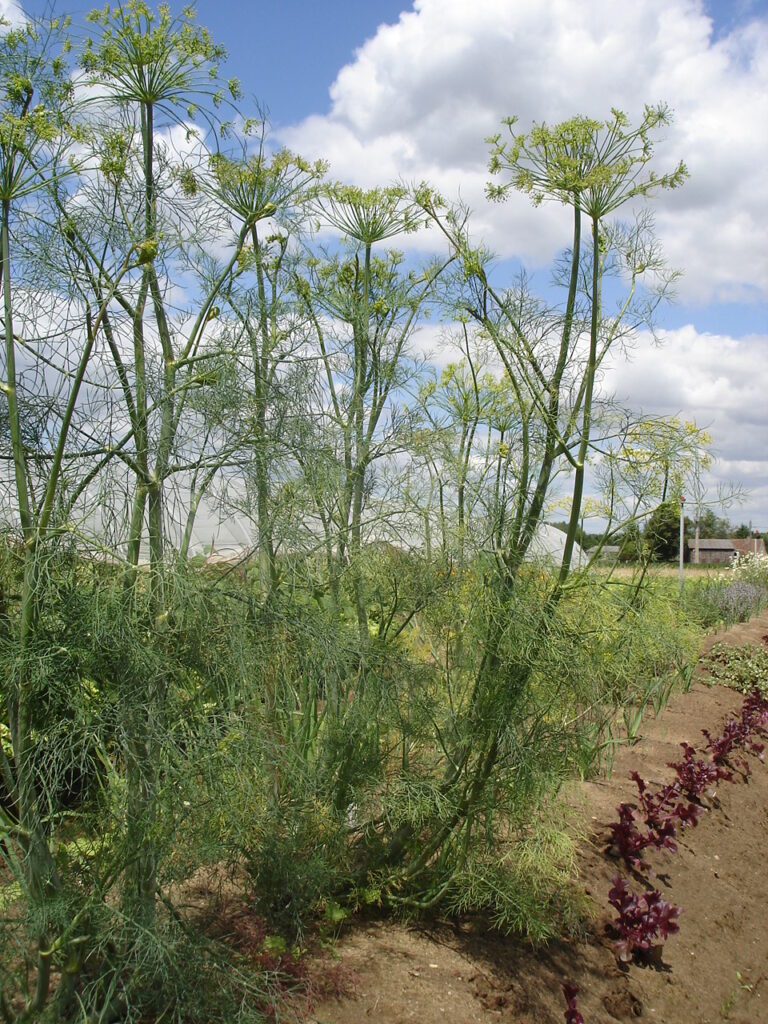
Wikimedia Commons / CC BY-SA
Parts Used
SeedLeaf
Therapeutic Uses
Infantile colic (gentle carminative — safe for infants), flatulence, IBS, insufficient breast milk (galactagogue), insomnia (mild sedative), digestive complaints.
Herbal Actions
Carminative, antispasmodic, galactagogue, sedative (mild), antimicrobial, hypoglycemic
Active Constituents
Volatile oil (carvone 30–60%, limonene, alpha-phellandrene, anethofuran), flavonoids (quercetin, isorhamnetin), coumarins, fatty acids
Preparation Methods
☕ Herbal Tea🏺 Tincture⚗️ Essential Oil
Traditional Preparation Notes
| Herbal Tea | 1 tsp crushed seeds per 250ml, steep 10 min covered, 3x daily after meals |
| Tincture | 1–3 ml (1:5, 40% ethanol), 3x daily |
| Notes | One of safest carminatives for infants — weak dill tea (1/2 tsp seeds per 250ml) for colic. Fresh leaves (dill weed) as food: nutritive and carminative. Seeds stronger than leaves. Crush immediately before use. |
Safety Information
Safety Rating
✓ Generally Safe
Pregnancy
Safe in Pregnancy
Drug Interactions
None known
Contraindications: Very few. Allergic reactions (Apiaceae family). Essential oil internally — caution. Otherwise very safe.
Side Effects: Rare allergic reactions. Contact dermatitis (essential oil). Phototoxicity. Very well tolerated.