Fabaceae
Wild Indigo
Baptisia tinctoria
⚠ Use with Caution
Avoid in Pregnancy
Native to: Eastern North America
Also known as: Yellow Wild Indigo, Horsefly Weed, Rattleweed
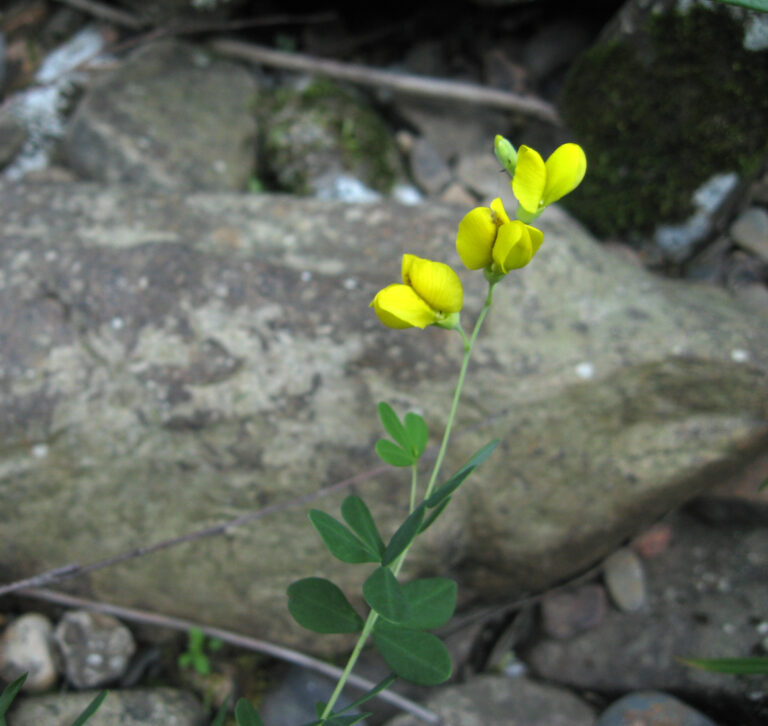
Wikimedia Commons / CC BY-SA
Parts Used
Root
Therapeutic Uses
Acute infections with lymph node involvement, tonsillitis, pharyngitis, influenza, fever with septic character. Often combined with echinacea for acute infections (Echinacin complex).
Herbal Actions
Immunostimulant, antimicrobial, lymphagogue, anti-inflammatory
Active Constituents
Quinolizidine alkaloids (cytisine, baptifoline, anagyrine), polysaccharides, flavonoids, isoflavones (genistein, biochanin A)
Preparation Methods
🏺 Tincture
Traditional Preparation Notes
| Herbal Tea | Not recommended — alkaloids require careful dosing |
| Tincture | 1–2 ml (1:5, 60% ethanol) — LOW DOSE, 3x daily acutely |
| Notes | LOW DOSE herb — high doses emetic. Best as part of commercial combination (e.g., with echinacea and thuja). Most effective for acute infections with lymphatic involvement and septic character. Short courses only. |
Safety Information
Safety Rating
⚠ Use with Caution
Pregnancy
Avoid in Pregnancy
Drug Interactions
None known
Contraindications: Avoid in pregnancy (alkaloids). High doses emetic/purgative. Low dose essential. Short-term use for acute illness only.
Side Effects: Nausea and vomiting (high doses). GI upset. Lymphatic stimulation. Generally safe at low doses.