Salicaceae
White Willow Bark
Salix alba
✓ Generally Safe
Avoid in Pregnancy
Native to: Europe, Central Asia, Northwest Africa
Also known as: European Willow, White Willow, Huntingdon Willow
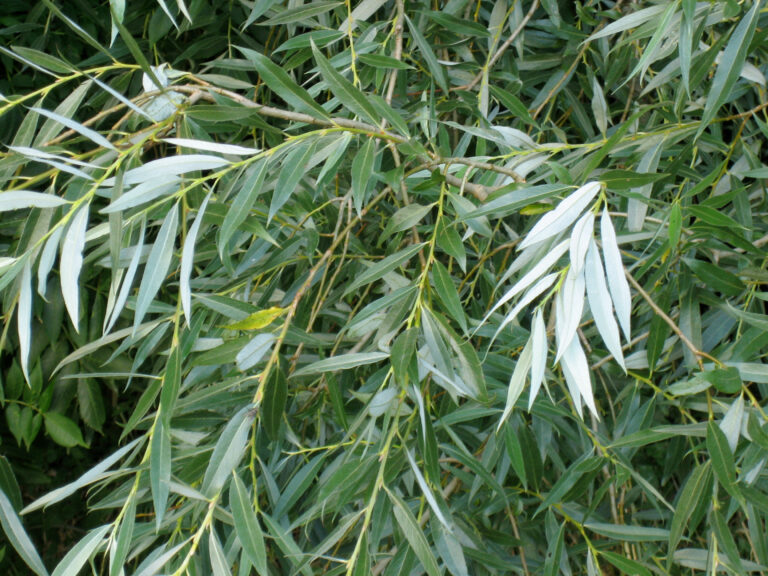
Wikimedia Commons / CC BY-SA
Parts Used
Bark
Therapeutic Uses
Low back pain (RCT evidence — comparable to rofecoxib at high doses), osteoarthritis, rheumatic pain, fever, headaches. Aspirin was developed from salicylic acid originally isolated from willow bark.
Herbal Actions
Analgesic, anti-inflammatory, antipyretic, antioxidant, astringent
Active Constituents
Salicin (converted to salicylic acid — primary analgesic compound), salicortin, tremulacin, tannins, flavonoids (isoquercitrin, quercetin), catechins
Preparation Methods
💊 Capsule🏺 Tincture🍵 Decoction
Traditional Preparation Notes
| Herbal Tea | 2 tsp dried bark per 250ml, simmer 15 min, 3x daily |
| Tincture | 4–6 ml (1:5, 40% ethanol), 3x daily |
| Notes | Standardized extract (15% total salicin): 120–240mg salicin daily for pain. Acts more slowly than aspirin but longer lasting. Does not inhibit platelet aggregation like aspirin. Full anti-inflammatory effect at 240mg salicin/day. |
Safety Information
Safety Rating
✓ Generally Safe
Pregnancy
Avoid in Pregnancy
Drug Interactions
⚠ Known interactions
Contraindications: Avoid in aspirin/salicylate sensitivity. Avoid with anticoagulants. Avoid in pregnancy (third trimester especially). Avoid in children with fever (Reye's syndrome risk).
Side Effects: GI irritation (less than aspirin). Rare allergic reactions. Tinnitus at high doses. Blood thinning effect.