Fagaceae
White Oak Bark
Quercus alba
✓ Generally Safe
Caution in Pregnancy
Native to: Eastern North America
Also known as: American White Oak, Stave Oak, Ridge White Oak
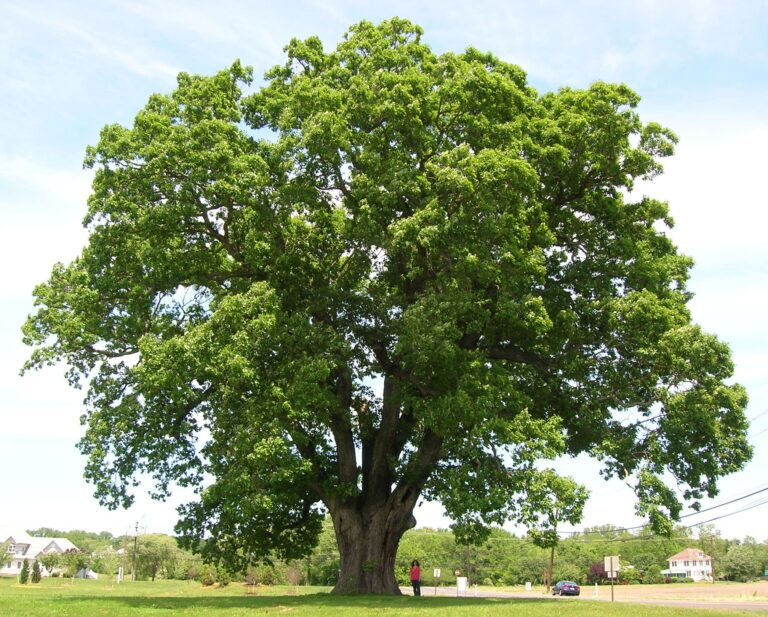
Wikimedia Commons / CC BY-SA
Parts Used
Bark
Therapeutic Uses
Diarrhea, dysentery (astringent), haemorrhoids (topical/sitz bath), varicose veins, wounds (topical), gargle for sore throat, vaginal infections (douche — short term). Potent astringent — high tannin content.
Herbal Actions
Astringent, antiseptic, haemostatic, anti-inflammatory, antidiarrheal
Active Constituents
Tannins (gallotannins, ellagitannins — 15–20%), quercetin, catechins, gallic acid, phlobaphens (reddish), resin
Preparation Methods
☕ Herbal Tea🏺 Tincture🛁 Herbal Bath
Traditional Preparation Notes
| Herbal Tea | 1 tsp dried bark per 250ml, steep 15 min, 3x daily for acute diarrhea |
| Tincture | 2–4 ml (1:5, 40% ethanol), 3x daily |
| Notes | For haemorrhoids: sitz bath with strong oak bark tea. For diarrhea: take hot every 2 hours. Highly astringent — dry, puckering taste. Combine with meadowsweet for gastric complaints. |
Safety Information
Safety Rating
✓ Generally Safe
Pregnancy
Caution in Pregnancy
Drug Interactions
Possible — consult doctor
Contraindications: Tannins reduce iron and other mineral absorption — take away from supplements and medications. Avoid internal use in constipation. Caution in pregnancy.
Side Effects: Constipation at high doses (astringent). Reduces mineral absorption. Liver stress with very large doses. Topical: very safe.