Araceae
Skunk Cabbage
Symplocarpus foetidus
⚠ Use with Caution
Avoid in Pregnancy
Native to: Eastern North America
Also known as: Swamp Cabbage, Polecat Weed, Meadow Cabbage
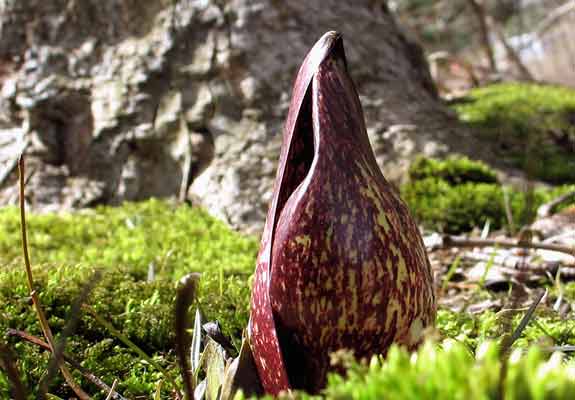
Wikimedia Commons / CC BY-SA
Parts Used
Root
Therapeutic Uses
Asthma (antispasmodic), whooping cough, respiratory spasm, epilepsy (historical). Traditional Native American medicine for respiratory conditions.
Herbal Actions
Antispasmodic, expectorant, sedative (mild), antiasthmatic
Active Constituents
Calcium oxalate (fresh — irritant), resin, volatile oil, fatty acids, starch
Preparation Methods
🏺 Tincture💊 Capsule
Traditional Preparation Notes
| Herbal Tea | NOT fresh — calcium oxalate crystals cause intense burning. Dried or tincture only. |
| Tincture | 0.5–2 ml (1:10, 50% ethanol), 3x daily — LOW DOSE |
| Notes | Low dose herb. Fresh plant causes intense mucous membrane burning (calcium oxalate). Only dried root or tincture used medicinally. Rarely used today — better alternatives available. Historical interest. |
Safety Information
Safety Rating
⚠ Use with Caution
Pregnancy
Avoid in Pregnancy
Drug Interactions
None known
Contraindications: Fresh plant toxic (calcium oxalate). Avoid in pregnancy. Low dose essential. Rarely used — see mullein, elecampane as safer respiratory alternatives.
Side Effects: Calcium oxalate burns (fresh). GI irritation. Nausea at high doses.