Apidae
Propolis
Apis mellifera
✓ Generally Safe
Caution in Pregnancy
Native to: Worldwide (bees collect from plants)
Also known as: Bee Glue, Bee Propolis, Hive Resin
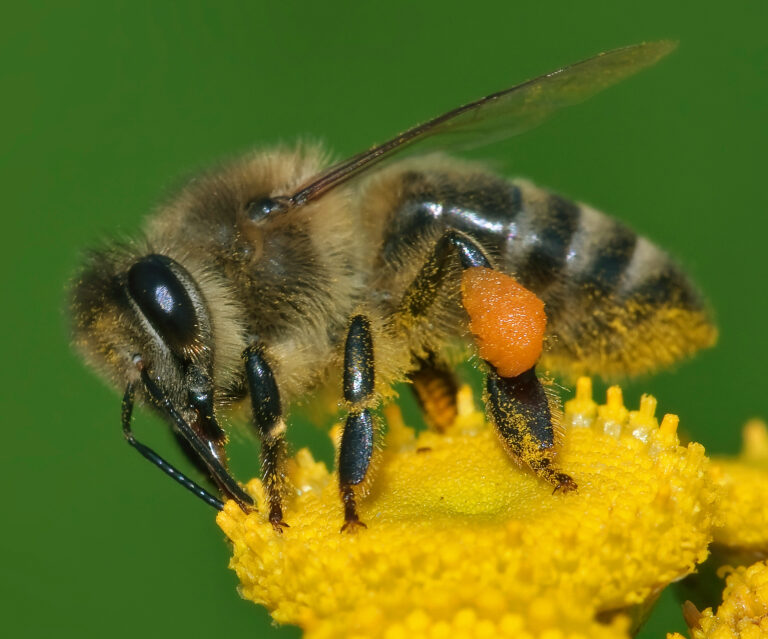
Wikimedia Commons / CC BY-SA
Parts Used
Resin
Therapeutic Uses
Oral infections (gingivitis, aphthous ulcers — clinical evidence), upper respiratory infections, wound healing, herpes (topical cream — RCT), Candida, H. pylori. One of the most potent natural antimicrobials.
Herbal Actions
Antimicrobial, antifungal, antiviral, anti-inflammatory, immunomodulator, antioxidant, local anaesthetic
Active Constituents
Flavonoids (pinocembrin, chrysin, galangin, caffeic acid phenethyl ester — CAPE), polyphenols, essential oils, vitamins, minerals — composition varies by geography
Preparation Methods
🏺 Tincture💊 Capsule🧴 Salve/Balm
Traditional Preparation Notes
| Herbal Tea | N/A — dissolve propolis tincture in warm water for mouthwash |
| Tincture | 30–60 drops (1:10 tincture), 3x daily or in water as gargle |
| Notes | For oral infections: 3–5 drops in water as mouthwash 3x daily. Topical: propolis cream 3% for herpes — clinical evidence. Capsules: 500mg standardized extract daily for immune support. Bee allergy — test before use. |
Safety Information
Safety Rating
✓ Generally Safe
Pregnancy
Caution in Pregnancy
Drug Interactions
None known
Contraindications: AVOID in bee/honey allergy — anaphylaxis risk. Caution in pregnancy (insufficient data). Avoid on broken skin in alcohol tincture (stings).
Side Effects: Allergic reactions (including anaphylaxis in bee-allergic individuals). Contact sensitization with prolonged topical use. Stains clothing and teeth.