
Hydrangeaceae
Hydrangea Root
Hydrangea arborescens
✓ Generally Safe
Caution in Pregnancy
Native to: Eastern North America
Also known as: Wild Hydrangea, Seven Barks, Smooth Hydrangea
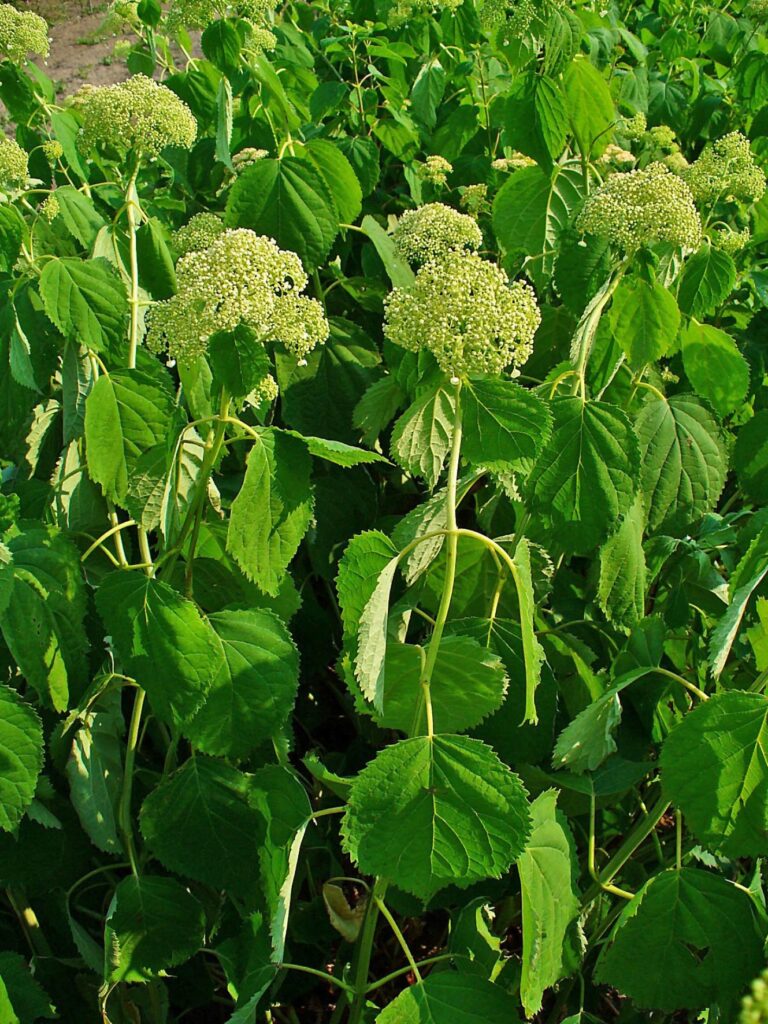
Wikimedia Commons / CC BY-SA
Parts Used
Root
Therapeutic Uses
Kidney stones (calcium oxalate and calcium phosphate — prevents and helps pass), urinary gravel, prostatitis, urinary tract inflammation, BPH. Specific herb for kidney stone prevention and dissolution.
Herbal Actions
Antilithic (prevents kidney stone formation), diuretic, anti-inflammatory, analgesic (mild)
Active Constituents
Hydrangin (coumarin), hydrangeic acid, saponins (hydrangin, thunberginols), flavonoids, essential oil
Preparation Methods
🍵 Decoction🏺 Tincture
Traditional Preparation Notes
| Herbal Tea | 1–2 tsp dried root per 250ml, simmer 20 min, 3x daily with high water intake |
| Tincture | 3–5 ml (1:5, 40% ethanol), 3x daily |
| Notes | Must be combined with high fluid intake (3L/day). Best for prevention. Combine with gravel root and stone root for comprehensive kidney stone protocol. Long-term preventive use (months) for chronic stone formers. |
Safety Information
Safety Rating
✓ Generally Safe
Pregnancy
Caution in Pregnancy
Drug Interactions
None known
Contraindications: Avoid in pregnancy. High doses may cause vertigo and chest tightness (glycoside content). No significant drug interactions.
Side Effects: Vertigo and chest tightness at high doses (glycosides). GI upset. Generally safe at therapeutic doses.