Sapindaceae
Horse Chestnut
Aesculus hippocastanum
⚠ Use with Caution
Caution in Pregnancy
Native to: Balkans, Northern Greece
Also known as: Common Horse Chestnut, Buckeye, Conker Tree
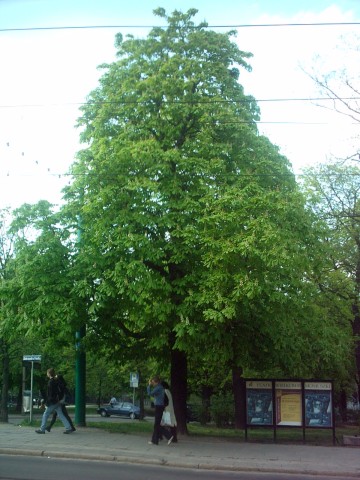
Wikimedia Commons / CC BY-SA
Parts Used
SeedBarkLeaf
Therapeutic Uses
Chronic venous insufficiency (multiple RCTs — reduces leg swelling, varicose veins), hemorrhoids, leg cramps, post-surgical oedema. HMPC approved. Aescin reduces capillary permeability and strengthens vein walls.
Herbal Actions
Venotonic, anti-oedematous, anti-inflammatory, astringent, antioxidant
Active Constituents
Aescin (triterpene saponin mixture — primary active), flavonoids (quercetin, kaempferol), tannins, coumarins (esculin), fatty acids
Preparation Methods
💊 Capsule🏺 Tincture🧴 Salve/Balm
Traditional Preparation Notes
| Herbal Tea | Not recommended internally without standardization (aescin toxic raw) |
| Tincture | Standardized extract (20% aescin): 300mg 2x daily. Topical gel 2% aescin 2x daily |
| Notes | Raw seeds TOXIC — standardized extract only. Clinical dose: 50mg aescin 2x daily. Topical gel effective for haemorrhoids and bruising. Effects within 2–4 weeks. Comparable to compression stockings in trials. |
Safety Information
Safety Rating
⚠ Use with Caution
Pregnancy
Caution in Pregnancy
Drug Interactions
Possible — consult doctor
Contraindications: Raw seeds toxic — standardized extract only. Avoid with anticoagulants. Caution in liver/kidney disease. Caution in pregnancy.
Side Effects: GI upset (aescin). Allergic reactions. Pruritus. Renal toxicity with raw seeds. Standardized extract: well tolerated.