
Pedaliaceae
Devil’s Claw
Harpagophytum procumbens
✓ Generally Safe
Avoid in Pregnancy
Native to: Southern African Kalahari desert
Also known as: Grapple Plant, Wood Spider, Sengaparile
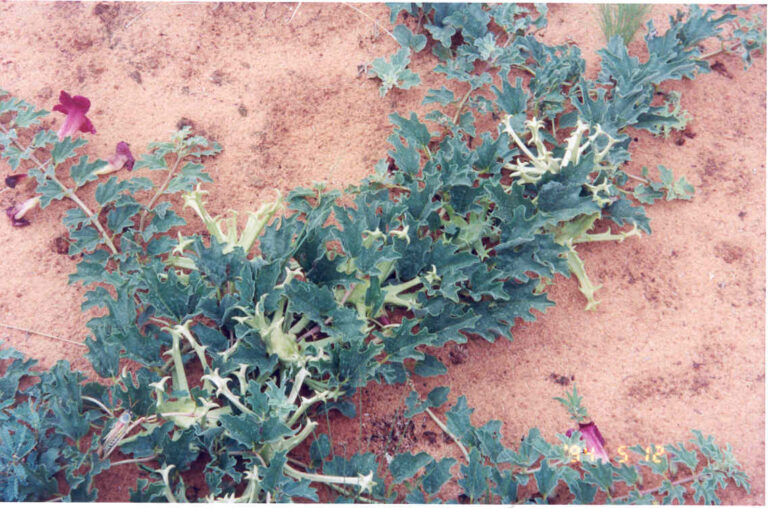
Wikimedia Commons / CC BY-SA
Parts Used
Root
Therapeutic Uses
Osteoarthritis (multiple RCTs — comparable to NSAIDs for knee/hip pain), low back pain (Commission E approved), rheumatoid arthritis, tendinitis, digestive bitters. One of the best-studied natural anti-inflammatory herbs.
Herbal Actions
Anti-inflammatory (COX and LOX inhibition), analgesic, antispasmodic, bitter tonic, antirheumatic
Active Constituents
Iridoid glycosides (harpagoside — primary active 0.5–3%), harpagide, procumbide, flavonoids, phenolic acids
Preparation Methods
💊 Capsule🏺 Tincture☕ Herbal Tea
Traditional Preparation Notes
| Herbal Tea | 0.5 tsp dried root per 250ml, steep 10 min, 3x daily |
| Tincture | 3–5 ml (1:5, 40% ethanol), 3x daily |
| Notes | Standardized extract (2–3% harpagoside): 50–100mg harpagoside daily. Clinical trials use 2400–4800mg/day of dried equivalent. Take with meals. Effects begin in 4–8 weeks. Comparable to rofecoxib for low back pain in clinical trial. |
Safety Information
Safety Rating
✓ Generally Safe
Pregnancy
Avoid in Pregnancy
Drug Interactions
Possible — consult doctor
Contraindications: Avoid in pregnancy (oxytocic). Avoid in peptic ulcer (stimulates digestive secretions). Caution with anticoagulants, antihypertensives, antidiabetics.
Side Effects: GI upset (most common). Diarrhea, nausea. Rare allergic reactions. Generally well tolerated.